How to structure a training week: strength, cardio and sport
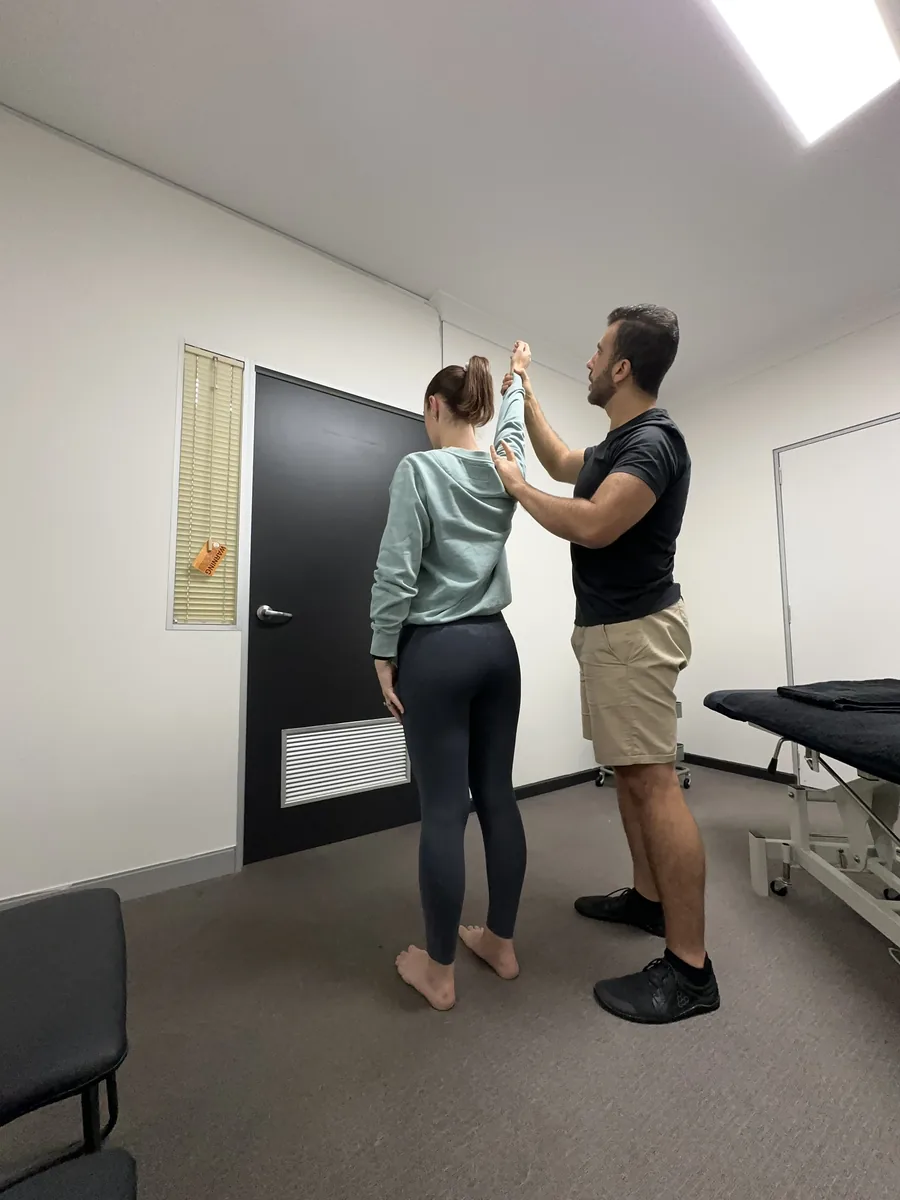
Most people who get injured in training don't do the wrong exercises; they arrange the right ones badly. Too many hard days in a row, a jump in volume, or no room to recover. Planning your week well is one of the simplest ways to stay healthy and keep improving.
How much exercise should I do each week?
The World Health Organization recommends adults do 150 to 300 minutes of moderate aerobic activity a week, or 75 to 150 minutes of vigorous activity, plus muscle-strengthening activities on two or more days (Bull et al., British Journal of Sports Medicine, 2020). That's a target to build towards, not a starting point. If you play sport or train for an event, you'll do more, which makes planning more important.
What should a training week include?
For most active people: two or three strength sessions, two to four aerobic or sport sessions, at least one full rest day, and some easy movement such as walking on the other days. The exact mix depends on your sport and goals.
How should I arrange hard and easy days?
Alternate them. Follow a hard session with an easier day or a session that stresses different parts of the body. Avoid stacking your hardest strength session, your hardest run and your sport on consecutive days. If you have to double up, put the two hard sessions on the same day and take the following day easy, rather than having two medium-hard days with no recovery.
What does a sample week look like?
For general fitness: Monday strength, Tuesday easy cardio or a walk, Wednesday strength, Thursday rest, Friday strength or intervals, Saturday a longer walk, ride or run, Sunday rest. For a runner: Monday strength, Tuesday intervals, Wednesday easy run, Thursday strength, Friday rest, Saturday long run, Sunday easy run or rest. For a grappler: Monday BJJ, Tuesday strength, Wednesday BJJ, Thursday rest, Friday strength, Saturday BJJ, Sunday rest.
Should I do strength or cardio first?
Do the one that matters most to you first, when you're freshest. If you're doing both on the same day, separating them by a few hours helps. For team and combat sports, schedule heavy leg strength work at least a day away from your hardest training or game.
How many rest days do I need?
At least one full rest day a week suits most people, and two for many. Rest days don't have to mean doing nothing; a walk or gentle mobility is fine. Older athletes and people with demanding jobs or poor sleep usually need more recovery.
How fast can I add more training?
Gradually. Research in team sport shows that it's rapid spikes in training load, rather than high loads themselves, that are most strongly linked with injury, and that building up to higher loads steadily can be protective (Gabbett, British Journal of Sports Medicine, 2016). Add one session, or increase one type of training, at a time, and hold it for a couple of weeks before adding more.
See our post on training load errors.
What are the signs I'm doing too much?
Soreness that hasn't settled by your next session, niggles that build week to week, poor sleep, a higher resting heart rate, irritability, losing motivation, getting sick more often, and performance going backwards. One or two of these for a few days is normal; several for more than a week means pull back.
Should every week be the same?
No. Plan a lighter week every four to six weeks, and reduce training when life stress, work or poor sleep are high. Your body doesn't distinguish between training stress and other stress.
See our post on deload weeks.
How do I fit training around a busy life?
Prioritise. Two strength sessions and two or three short aerobic sessions cover most of the benefit. Short sessions done consistently beat an ambitious plan you can't keep to. Decide in advance which sessions you'd drop in a busy week.
How should I adjust the week if something hurts?
Keep the structure and change the content. Swap the aggravating exercise for one that doesn't hurt, reduce volume in that area, and keep training everything else. If pain isn't settling within a week or two, get it assessed.
Does walking count?
Yes. Walking counts towards your weekly aerobic activity, aids recovery between harder sessions and is easy on the joints. A daily walk is a good base for any training week.
How can an osteopath help?
We look at your whole week, not just the sore spot. Often the fix for a recurring injury is rearranging training rather than adding treatment. We'll treat what's irritated and help you plan a week your body can keep up with.
See our training hub and our post on starting strength training. Book an assessment at our Berwick clinic. A 60-minute initial consultation is $149, with no referral needed and HICAPS on-site.
Sources
Book an initial consultation at RISE Sports & Spinal in Berwick. Clear diagnosis, hands-on treatment, and a plan that actually gets you better.
Related articles