How to start strength training: a beginner's guide
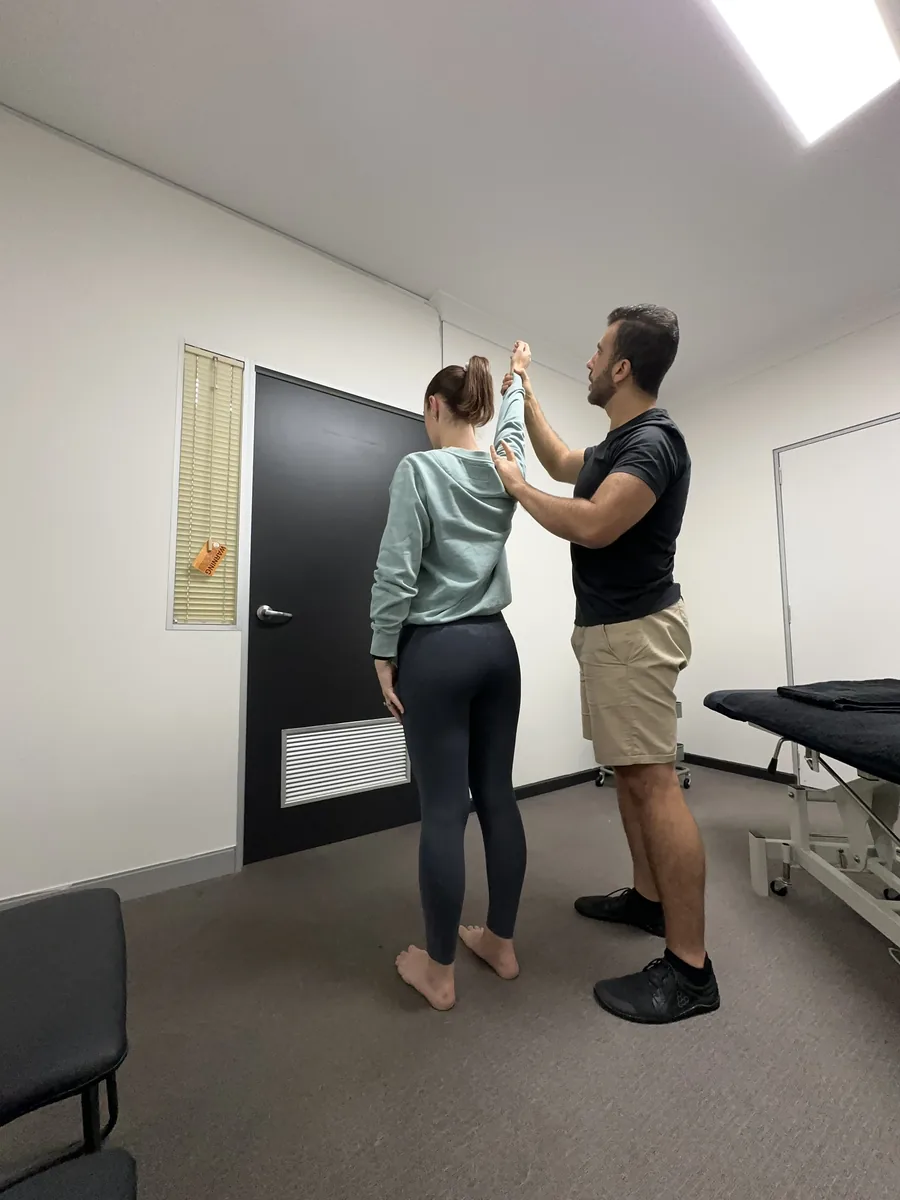
Strength training is one of the most valuable things you can do for your joints, bones, sport and long-term health, and it's never too late to start. Steven lifts himself and helps a lot of people at the clinic begin, or begin again, after injury. Here's a simple way in.
Why should I do strength training?
The World Health Organization's guidelines recommend that adults do muscle-strengthening activities involving all major muscle groups on two or more days a week, alongside aerobic activity (Bull et al., British Journal of Sports Medicine, 2020). Strength training builds muscle and bone, improves function and makes daily tasks easier. It also protects against injury: a meta-analysis of 25 trials found strength training reduced sports injuries to less than a third (Lauersen et al., British Journal of Sports Medicine, 2014).
How many days a week should a beginner lift?
Two or three sessions a week, on non-consecutive days, is plenty. Each session can cover the whole body in 30 to 45 minutes. Consistency over months matters far more than doing a lot in the first few weeks.
Which exercises should I start with?
Build your sessions around a handful of movement patterns: a squat (goblet squat, leg press or sit-to-stand), a hinge (Romanian deadlift or hip thrust), a push (push-up, dumbbell press or machine press), a pull (row or lat pulldown), and a carry or trunk exercise (farmer's carry or plank). One exercise for each pattern, done well, covers the whole body.
How many sets and reps should I do?
A good starting point is two or three sets of 8 to 12 repetitions per exercise. Choose a weight that feels challenging by the last few reps but that you could have lifted two or three more times with good technique. Rest a minute or two between sets.
How heavy should I go?
Lighter than you think for the first few weeks. The early gains come from your nervous system learning the movements, so there's no advantage in grinding out heavy reps. Start with a weight you can control smoothly, and add load once you can complete all your sets and reps comfortably.
See our post on how hard to train using RPE and reps in reserve.
How do I progress?
Change one thing at a time. When you can do all your sets at the top of the rep range, add a small amount of weight next session, or add a rep or two. Small, regular increases beat big jumps. Expect faster progress in the first few months, then slower, steadier gains.
Do I need a gym?
No. Body weight, resistance bands and a couple of dumbbells or a kettlebell are enough to start. A gym offers more options for adding load over time, which matters as you get stronger. Choose whatever you'll actually stick with.
Should I use machines or free weights?
Both work. Machines are easy to learn and let you load a muscle safely while you build confidence. Free weights train balance and coordination as well. Many beginners start with a mix and add more free-weight work as technique improves.
How do I warm up?
Five minutes of easy movement, then one or two lighter sets of each exercise before your working sets. That prepares you better than a long stretching routine.
Is it normal to be sore?
Yes. Muscle soreness a day or two after a new session is normal and settles as your body adapts, usually within a couple of weeks. Soreness shouldn't be the goal. Sharp pain, joint pain, or pain during a lift is different and worth getting checked.
See our post on muscle soreness versus injury.
Can I start if I have an old injury or a sore back or knees?
Usually, yes, and strength training is often part of the solution. Start with variations and ranges that feel comfortable, such as a box squat instead of a deep squat, and build from there. If you're unsure, an assessment first means your program can be built around what your body currently tolerates.
Should I get a coach or trainer?
A few sessions with a qualified trainer or exercise professional to learn technique and set up a program is a worthwhile investment, especially if you're nervous about the gym. If you have a health condition, check with your GP before starting.
How can an osteopath help?
We assess old or current injuries, explain what is and isn't a concern, and help you choose exercises and starting loads that suit your body. If something flares along the way, we treat it and adjust your program so you keep training.
See our training hub for more guides, and our post on how to structure a training week. Book an assessment at our Berwick clinic. A 60-minute initial consultation is $149, with no referral needed and HICAPS on-site.
Sources
Book an initial consultation at RISE Sports & Spinal in Berwick. Clear diagnosis, hands-on treatment, and a plan that actually gets you better.
Related articles