Dislocated kneecap: recovery, rehab and stopping it recurring
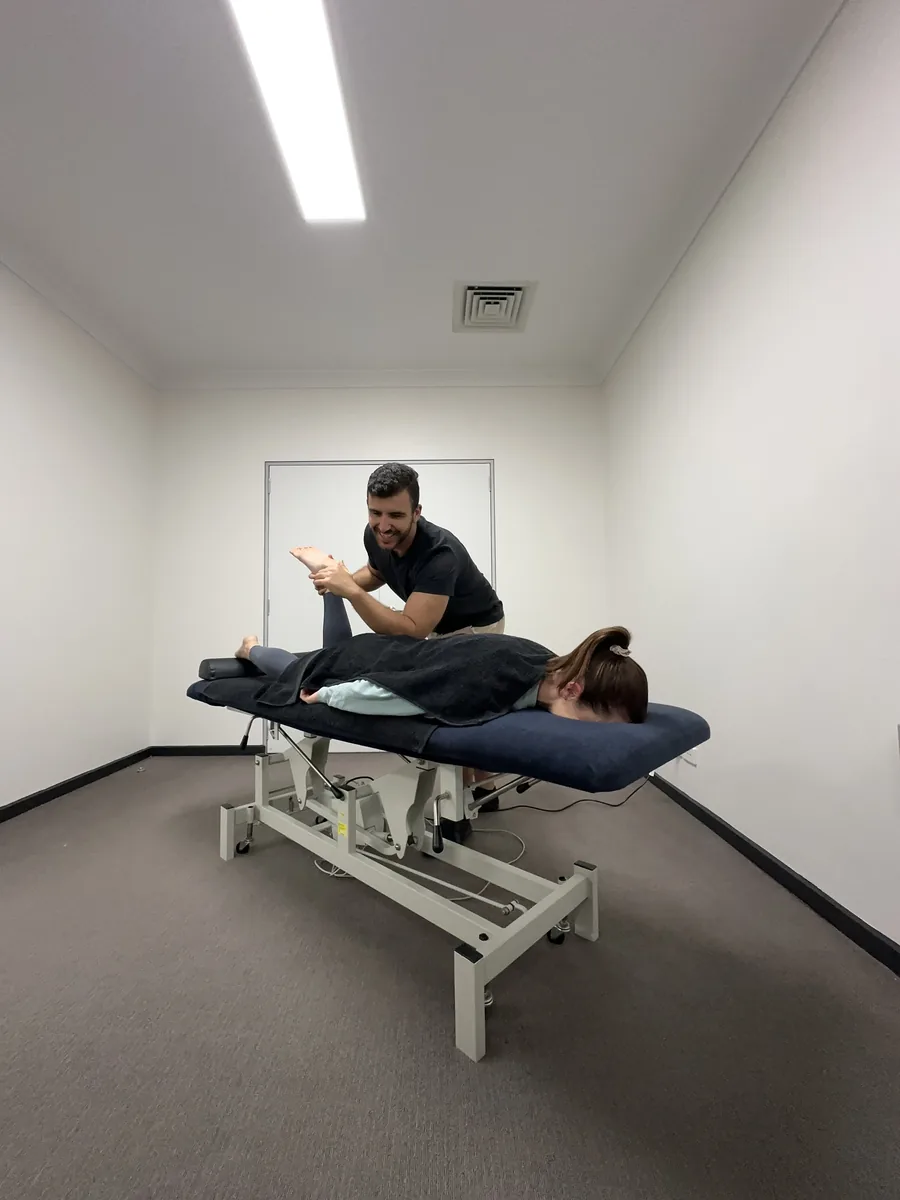
A dislocated kneecap is a dramatic injury: a twist, the knee gives way, and the kneecap sits on the outside of the knee. It's most common in teenagers and young adults, in sport and dance. Many people recover well with rehabilitation, though some have further episodes.
What is a patellar dislocation?
The kneecap (patella) normally glides in a groove at the front of the thigh bone. In a dislocation it slips out of the groove, almost always to the outside. It often goes back in by itself when the knee straightens. A subluxation is a partial slip that returns immediately.
How does it happen?
Usually a twisting movement on a planted foot with the knee slightly bent, such as changing direction, landing or pivoting. A direct blow to the inside of the kneecap can also cause it.
What should I do if it happens?
If the kneecap is still out of place, go to an emergency department; don't force it back. If it has gone back in, you still need a medical assessment and X-rays, because small fragments of bone or cartilage are sometimes knocked off.
What gets damaged?
The ligament on the inner side of the kneecap that holds it in the groove is stretched or torn. The joint surfaces can be bruised or chipped. The knee usually swells within hours.
Who is more likely to dislocate a kneecap?
People with a shallow groove, a high-riding kneecap, generally loose joints, or knees that angle inwards. Teenagers and young women are affected most often. Having dislocated once increases the risk of doing it again.
Do I need surgery?
After a first dislocation without a loose fragment, rehabilitation is the usual starting point. A Cochrane review found some evidence favouring surgery over non-surgical treatment in the short term, but judged the quality very low and the true effect very uncertain (Smith et al., Cochrane, 2015). Surgery is more often recommended when there's a displaced bone or cartilage fragment, or for repeated dislocations. That's a decision to make with an orthopaedic surgeon.
What does rehab involve?
Initially, settling swelling and regaining movement, often with a brace for a short period. Then rebuilding the quadriceps, which switch off quickly after this injury, along with hip and trunk strength. Later, balance, landing, change of direction and sport-specific drills.
What exercises help?
Early quadriceps tightening and straight-leg raises, then mini squats, leg press, step-ups and bridges within a comfortable range. Hip strengthening, such as side-lying leg raises and band walks, improves how the leg lines up under you. Single-leg work and hopping come later.
How long does recovery take?
Walking normally usually takes two to four weeks. Returning to sport typically takes three to four months after a first dislocation managed without surgery, and longer after stabilisation surgery.
When can I return to sport?
When there's no swelling, you have full movement, thigh strength is close to the other leg, and you can hop, land, cut and pivot confidently without the knee feeling unstable.
How do I reduce the chance of it happening again?
Complete your rehab, including the late-stage strength and landing work. Keep up quadriceps and hip strengthening. A patellar stabilising brace or taping can help with confidence on return to sport.
What if my kneecap keeps slipping?
Repeated dislocations or frequent partial slips damage the joint surface over time. See a sports physician or orthopaedic surgeon to discuss stabilisation.
Is it the same as a dislocated knee?
No. A true knee dislocation, where the thigh and shin bones separate, is a rare, severe injury and a medical emergency. A dislocated kneecap is far more common and less serious.
Should I wear a brace?
A brace is often used for the first few weeks to protect the knee while it heals. Later, a patellar stabilising brace or taping can give support and confidence during sport. Wearing a brace long term isn't a substitute for rebuilding strength.
Is it normal for the knee to feel unstable afterwards?
In the early weeks, yes, mainly because the quadriceps are weak and the knee is swollen. That should improve steadily with rehab. A knee that still gives way after three months of good rehabilitation should be reviewed.
How can an osteopath help?
After medical assessment, we guide rehabilitation, treat the knee and surrounding areas to restore movement, and plan a staged return to sport. We'll refer you if the knee remains unstable.
When is it urgent?
Go to an emergency department for a kneecap that's out of place, a knee that looks deformed, rapid severe swelling, or numbness or coldness in the foot.
See our posts on kneecap pain and ACL injuries, or our knee and ankle pain guide. Book an assessment at our Berwick clinic. A 60-minute initial consultation is $149, with no referral needed and HICAPS on-site.
Sources
Book an initial consultation at RISE Sports & Spinal in Berwick. Clear diagnosis, hands-on treatment, and a plan that actually gets you better.
Related articles