How long does a sprained ankle take to heal?
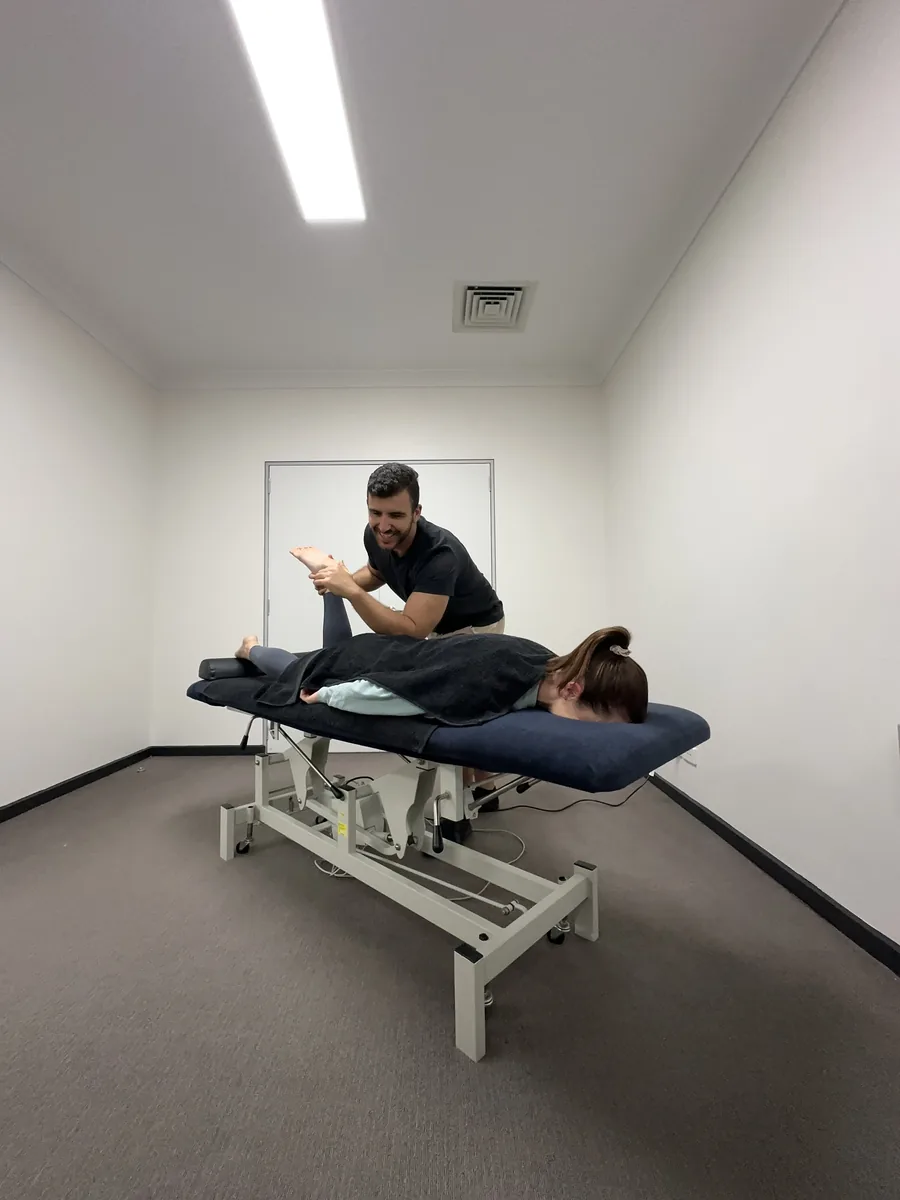
A rolled ankle is one of the most common injuries in sport and everyday life. Most people expect it to be better in a week or two. Some are, but full recovery often takes longer than people think, and ankles that aren't rehabilitated properly tend to go again.
How long does a sprained ankle take to heal?
It depends on severity. A mild sprain, with stretched ligaments and little swelling, often feels much better in one to two weeks. A moderate sprain, with a partial tear, bruising and swelling, typically takes three to six weeks. A severe sprain, with a complete ligament tear and instability, can take two to three months or more.
What does the research say about recovery?
A systematic review of 31 studies found pain decreases rapidly in the first two weeks after an ankle sprain. However, between 5% and 33% of people still had pain after a year, and re-sprains occurred in 3% to 34% (van Rijn et al., American Journal of Medicine, 2008). So most ankles settle quickly, but a meaningful number have ongoing problems.
How long does swelling last?
Most of the swelling goes down within one to two weeks, but some puffiness around the ankle, especially at the end of the day, commonly lingers for six to twelve weeks. That's normal as long as it's gradually improving.
Do I need an X-ray?
Clinicians use a set of criteria called the Ottawa ankle rules. An X-ray is recommended if you couldn't take four steps straight after the injury and still can't, or if there's tenderness when pressing on specific bony points: the back edge or tip of either ankle bone, the base of the bone on the outer edge of the foot, or the bone on the inner side of the midfoot.
What should I do in the first few days?
Protect the ankle from further rolling, but keep it moving gently. Compression and elevation help with swelling. Ice can be used for comfort. Walk as normally as pain allows; use crutches for a day or two if you can't walk without a heavy limp.
See our post on the first 48 hours after an injury.
Should I rest it completely?
No. The clinical guideline for ankle sprains recommends early functional treatment and exercise over prolonged immobilisation (Vuurberg et al., British Journal of Sports Medicine, 2018). Getting the ankle moving and bearing weight early leads to faster recovery.
When can I walk normally?
With a mild sprain, within a few days. With a moderate sprain, usually within one to two weeks. Aim to walk with a normal heel-toe pattern as soon as you can; limping for weeks leads to stiffness and weakness.
When can I run and play sport?
When you can walk briskly without pain, do 10 to 15 single-leg calf raises, balance on the injured leg for 30 seconds, and hop and land without pain. For a mild sprain that might be one to two weeks; for a moderate sprain, four to six weeks. Returning before you've regained strength and balance is the main reason ankles re-sprain.
What exercises help?
Early: ankle circles, pointing and pulling the foot up, and tracing the alphabet. Then calf raises, resisted ankle movements with a band, and single-leg balance, progressing to balance on an unstable surface with your eyes closed. Finally hopping, landing, cutting and sport drills.
Should I use a brace or tape?
The guideline supports using a brace or tape when returning to sport, particularly for people who've sprained an ankle before, as it reduces the risk of another sprain. It works alongside, not instead of, rehabilitation.
Why does my ankle keep rolling?
After a sprain, the ligaments may be lax, the muscles that protect the ankle react more slowly, and balance is reduced. Without rehabilitation these don't fully recover, leading to repeated sprains.
See our post on ankle sprains and instability.
Why is my ankle still sore after two months?
Persistent pain can come from incomplete rehabilitation, a high ankle sprain, a small fracture, tendon irritation or damage to the joint surface. An ankle that isn't steadily improving by six weeks should be reassessed.
See our post on high ankle sprains.
Is it okay to walk on a sprained ankle?
Yes, once a fracture has been ruled out. Walking within the limits of pain helps recovery. If you can't walk without a marked limp, use crutches or a brace for a few days and build up.
How can an osteopath help?
We assess the ankle, apply the criteria for imaging, grade the sprain, treat hands-on to restore movement, and take you through strength, balance and return-to-sport stages.
When is it urgent?
Go to an emergency department if you can't put any weight on the ankle, it looks deformed, the foot is numb or cold, or there's severe swelling and pain.
See our knee and ankle pain guide. Book an assessment at our Berwick clinic. A 60-minute initial consultation is $149, with no referral needed and HICAPS on-site.
Sources
Book an initial consultation at RISE Sports & Spinal in Berwick. Clear diagnosis, hands-on treatment, and a plan that actually gets you better.
Related articles