Pelvic girdle pain in pregnancy: causes and what helps
Pelvic girdle pain is one of the most common musculoskeletal problems in pregnancy. The European guidelines estimate that about one in five pregnant women has pelvic girdle pain at any one time (Vleeming et al., European Spine Journal, 2008). It can be very uncomfortable, but there's a lot that can be done to manage it.
What is pelvic girdle pain?
Pelvic girdle pain (PGP) is pain felt around the joints of the pelvis: the two sacroiliac joints at the back, near the dimples above your buttocks, and the pubic symphysis at the front. Pain at the front is sometimes called symphysis pubis dysfunction, or SPD. It can occur on its own or together with lower back pain, and may spread into the buttocks, groin or thighs.
What does pelvic girdle pain feel like?
It's typically a deep ache or sharp pain at the back of the pelvis, the pubic bone or the hips. It's usually worse with walking, climbing stairs, standing on one leg (such as getting dressed), rolling over in bed, getting in and out of the car, and moving your legs apart. Some people notice a clicking or grinding sensation in the pelvis.
What causes pelvic girdle pain in pregnancy?
It's thought to come from a combination of hormonal changes that affect the ligaments, changes in posture and the way load is carried through the pelvis as the baby grows, and how the muscles around the pelvis and trunk are working. According to the European guidelines, the most likely risk factors are a history of lower back pain and previous trauma to the pelvis. It isn't a sign that anything is wrong with your baby.
What helps pelvic girdle pain day to day?
Small changes add up. Keep your knees together when rolling in bed and getting out of the car, and sit down to get dressed. Take shorter steps, and take stairs one at a time, leading with the less painful leg going up. Sleep on your side with a pillow between your knees and ankles. Avoid heavy lifting, pushing a heavy shopping trolley and standing on one leg where you can. Stay active within comfort, in shorter bouts with rests in between.
Is exercise safe with pelvic girdle pain?
Yes, with adjustments. A Cochrane review found low-quality evidence that exercise, on land or in water, may reduce pregnancy-related low back pain, and that exercise improved function and reduced sick leave (Liddle and Pennick, Cochrane, 2015). Options that are often comfortable include walking shorter distances, swimming or water exercise (avoiding breaststroke kick if it hurts), stationary cycling, and gentle strength work for the hips, glutes and trunk. Avoid exercises that provoke pain, such as deep lunges and wide-legged positions.
Can an osteopath help pelvic girdle pain?
The European guidelines recommend providing information and reassurance, along with individualised exercises. The Cochrane review noted that evidence from single studies suggests manual therapy, or a combined approach of manual therapy, exercise and education, may also be of benefit, though more research is needed.
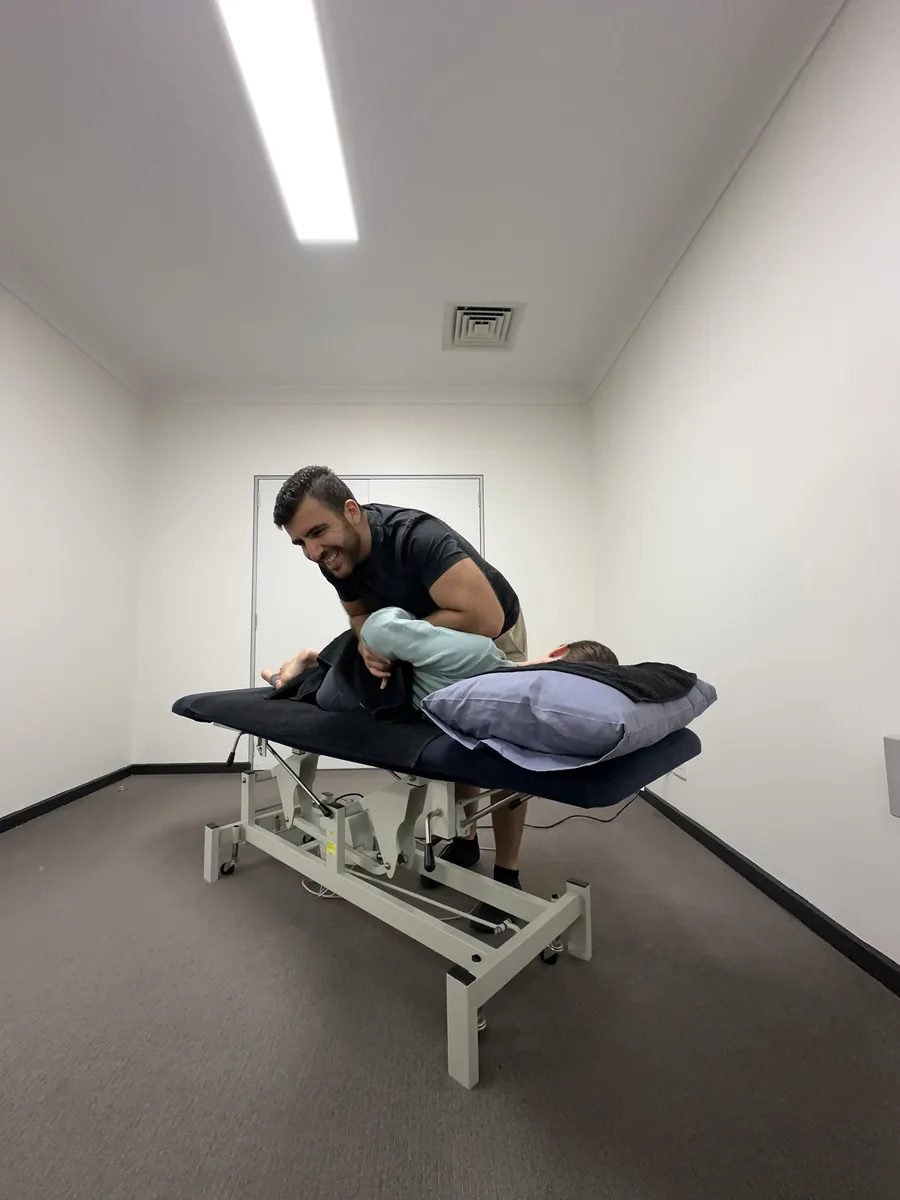
At RISE, treatment in pregnancy is gentle and adapted to your stage and comfort, using positions such as side-lying. We assess the pelvis, hips and lower back, use hands-on treatment to ease pain and muscle tension, and give you exercises and practical strategies for daily tasks. We work alongside your midwife, GP or obstetrician.
Do pelvic support belts help?
A pelvic support belt can ease pain during walking and standing for some women and is reasonable to try for short periods when you're active. It works best alongside exercise and activity changes rather than as the only strategy.
Will pelvic girdle pain go away after birth?
For most women, it improves in the weeks to months after the baby is born. A smaller number have pain that lingers, and it's worth having this assessed rather than putting up with it. Having had PGP in one pregnancy does make it more likely in the next, so strengthening between pregnancies can help.
Will pelvic girdle pain affect my labour?
Most women with pelvic girdle pain have a normal labour and birth. Let your midwife know about your pain and how far you can comfortably move your legs apart, so that positions for labour and birth can be chosen with that in mind. Positions such as side-lying, kneeling or on all fours are often more comfortable than lying on your back with your legs wide.
When should I call my midwife or doctor?
Contact your maternity care provider promptly, or go to hospital, if you have pain that comes and goes in a regular pattern, vaginal bleeding or fluid loss, reduced movements from your baby, severe abdominal pain, fever, pain or burning when passing urine, or a severe headache with vision changes or swelling. Also seek urgent care for numbness around the groin, difficulty controlling your bladder or bowels, or leg weakness.
For more, see our pregnancy osteopathy page and our posts on back pain in pregnancy and sciatica during pregnancy. Book an assessment at our Berwick clinic. A 60-minute initial consultation is $149, with no referral needed and HICAPS on-site.
Sources
Book an initial consultation at RISE Sports & Spinal in Berwick. Clear diagnosis, hands-on treatment, and a plan that actually gets you better.
Related articles