Pain between the neck and shoulder: causes and what helps
Aching, burning or tightness in the muscle between the neck and the point of the shoulder is one of the most common complaints we see in desk workers, parents and people under stress. It usually involves the upper trapezius, the large muscle running from the base of the skull to the shoulder blade.
What causes pain between the neck and shoulder?
Long periods of screen or computer work, holding the shoulders up when stressed, carrying a bag on one shoulder, holding a baby, sleeping awkwardly, and repetitive overhead or arm work. Pain can also be referred from the joints of the neck, and less often the shoulder.
Is it a knot in my muscle?
The tender, tight spots people describe as knots are common in this area. They're sensitive areas in the muscle rather than a physical knot, and they usually respond to movement, strengthening, heat and hands-on treatment.
See our post on muscle knots.
Why does it get worse at the desk?
Sitting with the shoulders raised, arms reaching forward to a keyboard or mouse, or the head forward towards the screen keeps the upper traps working for hours. A study of office workers with chronic trapezius pain found it was strongly associated with monotonous computer work (Andersen et al., Arthritis & Rheumatism, 2008).
See our post on desk set-up for neck and back pain.
Does stress cause neck and shoulder tension?
Often. Stress tends to make people hold their shoulders up and clench their jaw, which keeps the upper traps switched on. Many people notice their shoulders drop when they consciously relax them.
See our post on neck pain from stress.
Does strengthening help?
Yes, and this is one of the most useful findings for this problem. In a trial of 48 women with chronic trapezius pain from computer-intensive work, 10 weeks of specific strength training for the neck and shoulder muscles reduced the worst pain by about 79%, while general fitness training on an exercise bike gave only a small, short-lived reduction (Andersen et al., 2008).
What exercises help?
Exercises used in strength programs for this problem include shrugs, rows, lateral raises, reverse flys and upright rows with dumbbells, progressing gradually. Start light, a few times a week, and increase the weight over weeks. Gentle neck stretches, side bends and shoulder rolls can ease tightness during the day.
Could the pain be coming from my neck?
Yes. Irritated joints in the lower neck commonly refer pain into the upper trapezius area. If the pain changes when you turn or tilt your head, or comes with pins and needles into the arm, the neck is likely involved.
See our post on neck pain when turning your head.
Could it be my shoulder?
Shoulder joint and rotator cuff problems usually cause pain at the front or outside of the shoulder and upper arm, worse with lifting the arm, rather than at the top of the shoulder near the neck.
What else helps?
Set up your desk so your elbows rest by your sides and your screen is at eye level. Use a backpack instead of a one-shoulder bag. Take short movement breaks every 30 to 45 minutes. Heat packs and massage can relieve symptoms in the short term.
When should I get it checked?
See your GP or call 000 for pain between the neck and left shoulder with chest pain, breathlessness, sweating or nausea, which can be a heart problem. Seek prompt assessment for pain with progressive arm weakness, numbness, fever, or after an injury.
Why does it hurt more on one side?
One side often does more: the mouse hand, the side you carry a bag or a child on, or the side you turn to look at a second screen. Swapping sides, centring your screen and moving the mouse closer can make a noticeable difference.
Can it cause headaches?
Yes. Tight, sensitive upper trap and neck muscles commonly refer pain to the back of the head and temples, contributing to tension-type headaches.
See our post on tension headache treatment.
Does dry needling help?
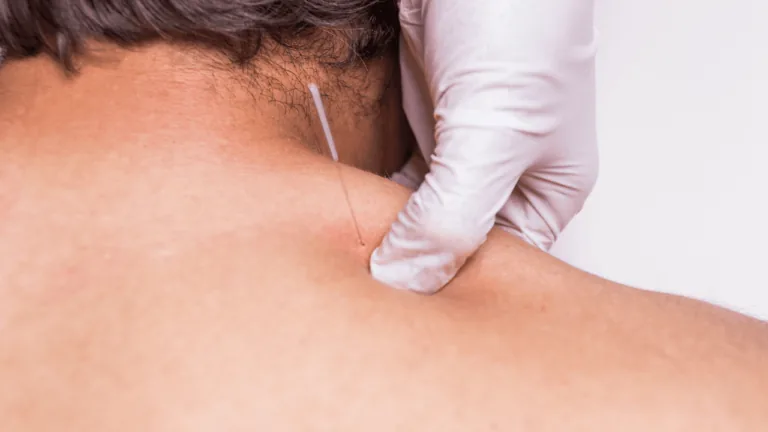
Dry needling can ease muscle pain and tension in the short term for some people, and we use it alongside exercise rather than on its own.
Is a massage enough?
Massage can feel great and ease tension for a day or two, but the research on this problem points to strengthening as the most effective long-term approach. Combining hands-on treatment for short-term relief with a progressive strength program tends to work best.
How can an osteopath help?
We assess the neck, shoulder and upper back, treat the muscles and joints hands-on, check your work set-up and habits, and build a strengthening program you can do at home or the gym.
See our neck pain guide. Book an assessment at our Berwick clinic. A 60-minute initial consultation is $149, with no referral needed and HICAPS on-site.
Sources
Book an initial consultation at RISE Sports & Spinal in Berwick. Clear diagnosis, hands-on treatment, and a plan that actually gets you better.
Related articles