Osteopath vs myotherapist: what's the difference?
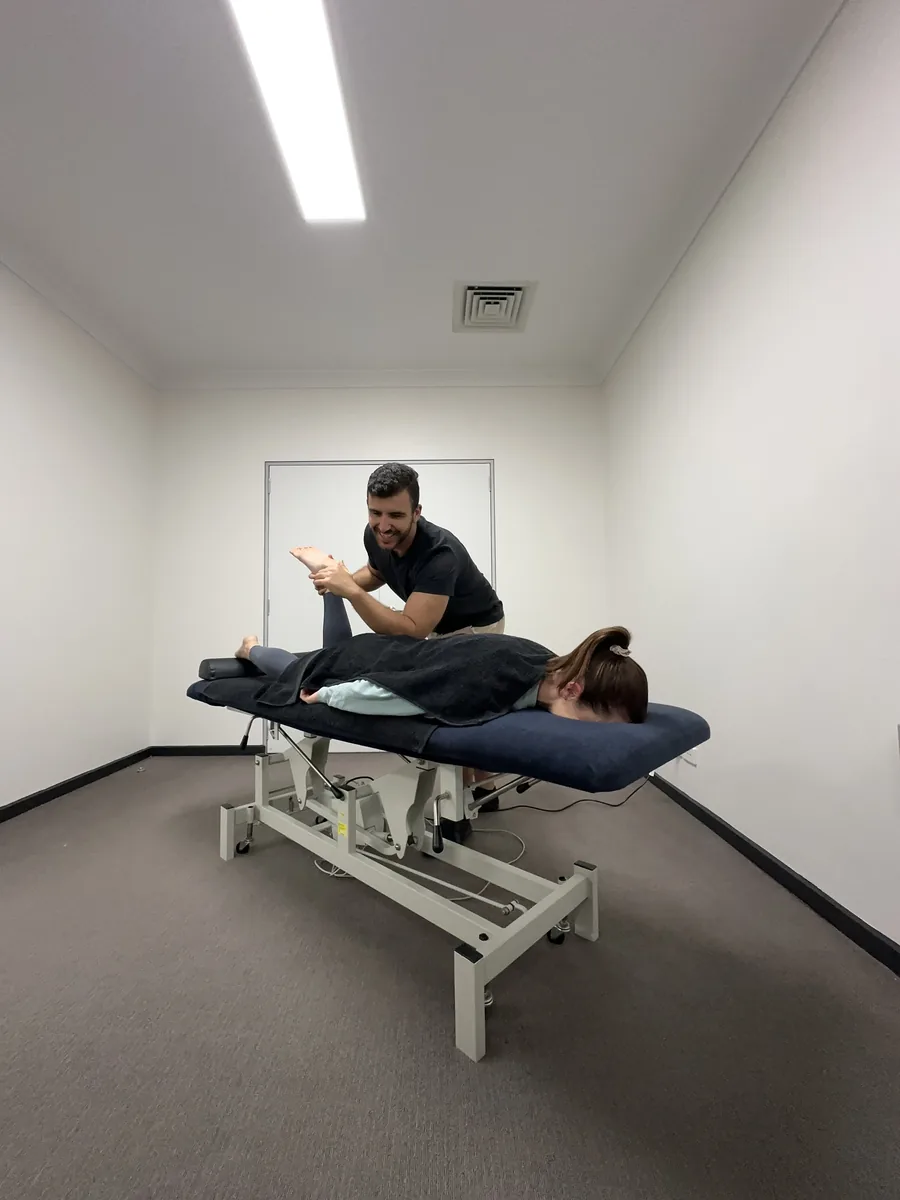
Osteopaths and myotherapists both treat muscle and joint pain with their hands, and both are common around Casey. So what's the difference, and who should you see? Here's a fair comparison.
What is the difference between an osteopath and a myotherapist?
A myotherapist focuses mainly on the muscles and soft tissues, using techniques such as deep soft tissue work, trigger point therapy, dry needling, stretching and exercise advice. Myotherapy grew out of remedial massage and is a hands-on, muscle-focused approach.
An osteopath looks at the whole musculoskeletal system: joints, muscles, nerves and how you move. Osteopaths use soft tissue work too, alongside joint mobilisation and manipulation, dry needling, and exercise-based rehabilitation, and they're trained to screen for medical conditions that need referral.
Are myotherapists registered like osteopaths?
No. Osteopaths are registered health practitioners, regulated by the Osteopathy Board of Australia through AHPRA, and complete university training, typically five years. Myotherapy isn't regulated under AHPRA; myotherapists are usually trained through a bachelor's degree or advanced diploma and can join a professional association. That doesn't make a myotherapist less skilled at soft tissue work, but it does mean different training standards and oversight.
Is an osteopath or myotherapist covered by Medicare and health funds?
Osteopathy can be claimed under a Medicare chronic condition management plan from your GP, and on most private health extras policies. Myotherapy isn't covered by Medicare, but many extras policies cover it. Check your own policy, as cover varies between funds.
Our posts on Medicare plans for osteopathy and private health cover go into the details.
Who should I see for my pain?
If you have muscle tightness or soreness from training or desk work, and no other symptoms, either can help. See an osteopath if your pain involves a joint or the spine, travels into an arm or leg, came from a specific injury, isn't improving, or you'd like an assessment of what's going on and a plan to get back to sport or lifting. Research on hands-on soft tissue treatment for back pain suggests benefits are mainly short-term (Furlan et al., Cochrane, 2015), so whoever you see, look for a plan that includes exercise and gets you more independent over time.
What happens in an osteopathy appointment?
An initial osteopathy appointment starts with a detailed history: how your pain started, what makes it better or worse, your work, training and general health. We then assess how you move, test joints, muscles and nerves, and screen for anything that needs a GP or scan. You'll get a clear explanation of what we think is going on, and a plan. Treatment may include soft tissue work, joint mobilisation, manipulation where appropriate, dry needling, and exercises to continue at home. The aim is to get you better and more independent, not to keep you coming back indefinitely.
What happens in a myotherapy appointment?
A myotherapy session usually includes a shorter history and assessment followed by a larger share of hands-on soft tissue work, such as deep tissue massage, trigger point therapy and myofascial release, along with stretching, and often dry needling or cupping. Many people find it very useful for muscle tightness and recovery from training.
Can I see both an osteopath and a myotherapist?
Yes, and many people do. For example, you might see an osteopath to assess and manage a back or shoulder injury and plan your rehabilitation, and see a myotherapist for regular soft tissue work during a heavy training block. The key is that everyone involved is working towards the same plan. If you see both, let each practitioner know what the other is doing.
Which is better for sports injuries?
For a new injury, such as a rolled ankle, a strain, a joint injury or anything with swelling, clicking, locking, instability or nerve symptoms, an assessment-led approach is important. Osteopaths are trained to assess these injuries, grade them, recognise when imaging or a medical referral is needed, and build a graded return-to-sport plan. For general muscle tightness and soreness from training, either can help.
See our sports injury page for how we manage injuries at RISE.
Do I need a referral to see an osteopath or a myotherapist?
No. You can book directly with either without a GP referral. The exception is if you want to use a Medicare chronic condition management plan for osteopathy: that needs a plan and referral from your GP first. A referral isn't needed for private health rebates or for workplace or TAC claims, although those have their own approval process.
See do you need a referral to see an osteopath for more.
Does RISE offer myotherapy or massage?
No. RISE is an osteopathy clinic. Soft tissue work is part of osteopathic treatment, but we don't offer relaxation or remedial massage or myotherapy sessions.
For more comparisons, see osteopathy vs massage and osteopath vs physio. Book an assessment at our Berwick clinic. A 60-minute initial consultation is $149, with no referral needed and HICAPS on-site.
Sources
Furlan AD, et al. Massage for low-back pain. Cochrane Database of Systematic Reviews, 2015.
Book an initial consultation at RISE Sports & Spinal in Berwick. Clear diagnosis, hands-on treatment, and a plan that actually gets you better.
Related articles