Is osteopathy evidence-based? An honest answer from an osteopath
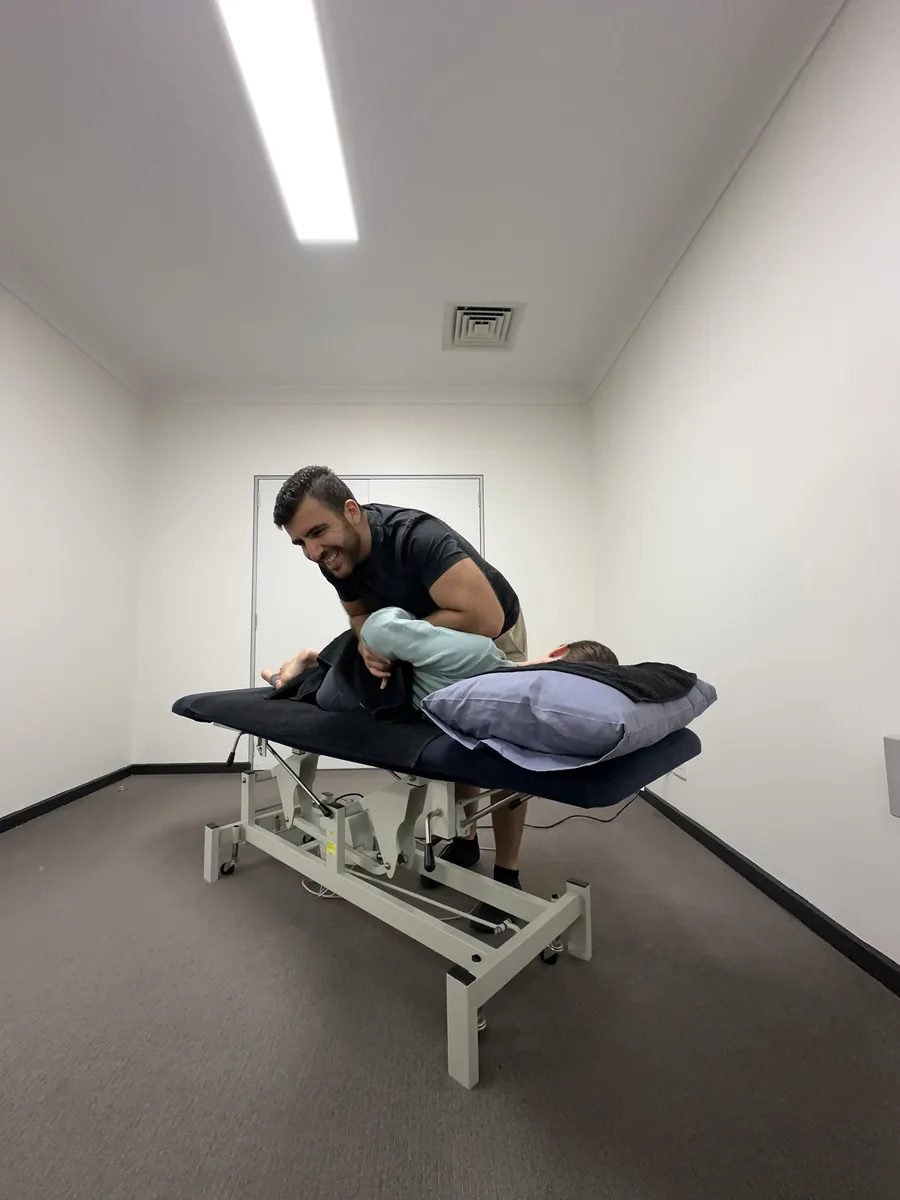
It's a fair question, and one people ask us directly. Osteopathy has had its share of big claims over the years, and some of them don't stand up. Here's an honest look at what the evidence supports, what it doesn't, and what that means for how we practise at RISE.
Are osteopaths regulated in Australia?
Yes. Osteopaths in Australia are registered health practitioners, regulated by the Osteopathy Board of Australia through AHPRA, the same national scheme that covers doctors, physiotherapists and other health professions. Becoming registered requires university training, typically five years. You can check any osteopath's registration on the public register; Steven's registration number is OST0002430528.
Does osteopathy work for back pain?
There's reasonable evidence that it helps. A meta-analysis of osteopathic manipulative treatment for non-specific low back pain found clinically relevant improvements in pain and function, including for back pain during and after pregnancy, while calling for larger, high-quality trials (Franke et al., BMC Musculoskeletal Disorders, 2014). A large BMJ review found spinal manipulation performs about as well as other recommended treatments for chronic low back pain (Rubinstein et al., BMJ, 2019).
Guidelines also matter. The UK's national guideline recommends exercise as the foundation for low back pain, with manual therapy as part of a package that includes exercise rather than on its own (NICE guideline NG59). That's how we use hands-on treatment.
What does the evidence not support?
Some techniques associated with osteopathy don't have good evidence. Cranial osteopathy is the clearest example: a systematic review concluded that methodologically strong evidence for both the reliability of its diagnosis and the effectiveness of its treatments is almost non-existent (Guillaud et al., PLOS ONE, 2016). Ideas that a single spinal adjustment can realign your body or fix unrelated health problems aren't supported either.
We've written more about this in our post on osteopathy myths and what the evidence says about spinal decompression and alignment.
Is osteopathy a pseudoscience?
Not in the form most Australian osteopaths practise today, which is musculoskeletal care: assessing and treating back, neck and joint pain and sports injuries with hands-on treatment, exercise and advice, working within the same evidence base as physiotherapy and sports medicine. Some older theories and techniques don't hold up, and good practitioners are upfront about that.
How do you know if an osteopath practises evidence-based care?
Look for a clear explanation of what's causing your pain, a plan that includes exercise and gets you more independent over time, an honest estimate of how many sessions you'll need, referral for scans or a GP when warranted, and no promises of cures or long prepaid courses. Those are the standards we hold ourselves to at RISE.
If you want to know how osteopathy compares with other professions, see our osteopath vs physio comparison. Book an assessment at our Berwick clinic. A 60-minute initial consultation is $149, with no referral needed and HICAPS on-site.
Sources
Book an initial consultation at RISE Sports & Spinal in Berwick. Clear diagnosis, hands-on treatment, and a plan that actually gets you better.
Related articles