How to sleep with sciatica: positions and tips that help
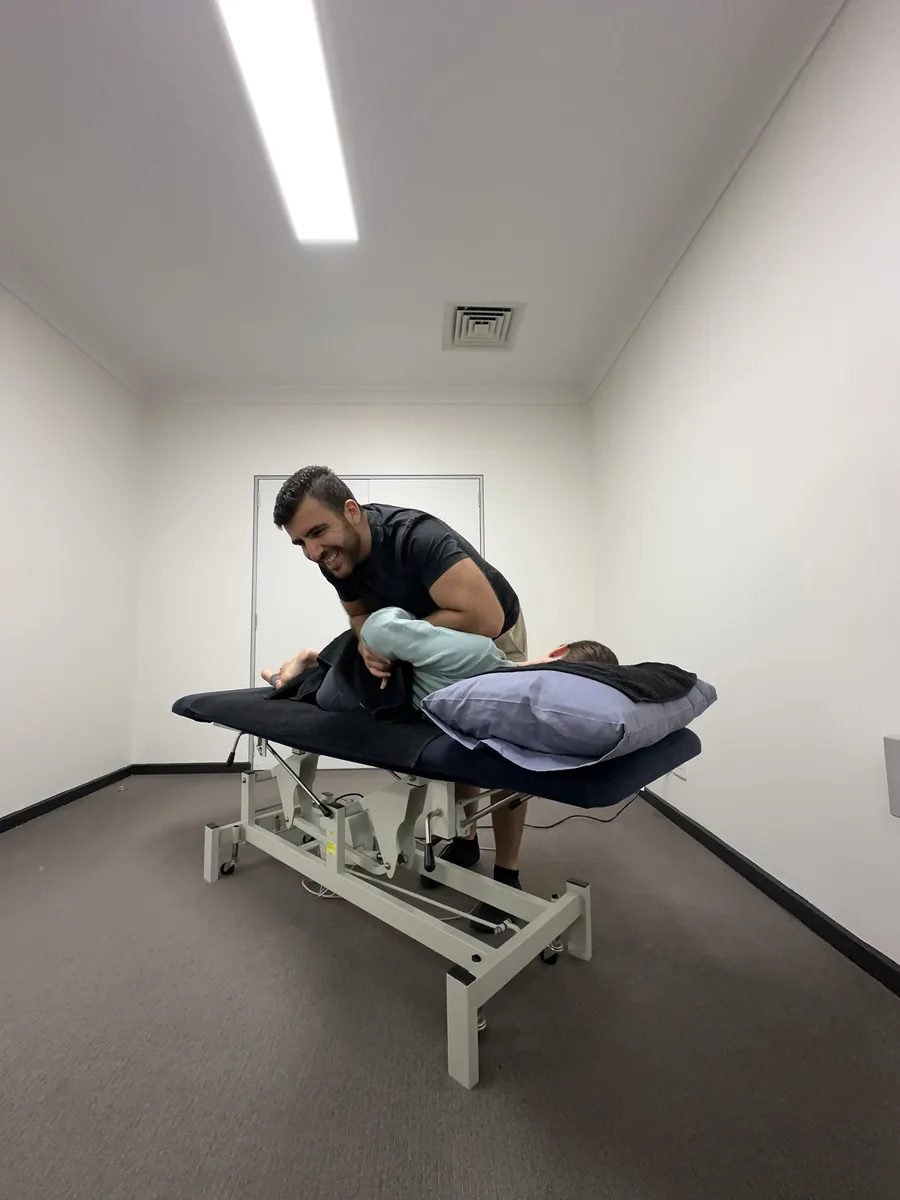
Sciatica can make nights miserable. Lying still, rolling over and getting out of bed can all set off leg pain, and poor sleep makes pain feel worse the next day. There's no single correct position, but a few set-ups work well for most people.
Why is sciatica worse at night?
Several things combine. Some lying positions put more tension or pressure on the irritated nerve root. Staying still for hours lets the area stiffen. There are fewer distractions at night, so pain is more noticeable, and tiredness lowers your pain threshold. For disc-related sciatica, the first movements in the morning are often the worst.
What is the best sleeping position for sciatica?
The best position is the one that eases your leg pain, and it varies between people. Try these and see which settles your symptoms: on your side with the painful leg on top and a pillow between your knees and ankles; on your back with one or two pillows under your knees; or, if bending backwards eases your leg pain, on your stomach with a thin pillow under your hips. Many people find the first option the most reliable.
Which side should I sleep on with sciatica?
Most people are more comfortable lying on the side that doesn't hurt, with the painful leg uppermost and supported on a pillow so it doesn't drop forward and twist the lower back. A small rolled towel in the curve of your waist can stop your spine sagging sideways.
What should I avoid when sleeping with sciatica?
Avoid positions that increase or spread your leg symptoms. Common culprits are curling up tightly with the painful leg pulled to your chest, sleeping with the top leg twisted across your body, and a very soft mattress or couch that lets your back sag. Don't stay in bed for long periods during the day; lying down for too long tends to slow recovery.
How do I get in and out of bed with sciatica?
Use a log roll. To get up, bend your knees, roll onto your side in one piece, lower your feet over the edge and push up with your arms. Reverse it to lie down. Avoid sitting straight up from lying on your back, which tends to provoke leg pain.
What else helps sciatica at night?
A short walk and some gentle movement before bed can help. Heat across the lower back or buttock may ease muscle spasm. Talk to your pharmacist or GP about pain relief that's suitable for you, as timing it before bed can help you get to sleep. If you wake in pain, get up, walk around for a minute, and reset your position rather than lying there tense.
Does a firm mattress help sciatica?
There's no single best mattress. A very soft mattress can let your spine sag, and a very hard one can be uncomfortable on your hips and shoulders. Most people do well on medium-firm. Before buying a new one, try pillows to adjust your position, which is cheaper and often just as effective.
How long will sciatica keep me awake?
Night pain is usually worst in the first couple of weeks and eases as the nerve settles. Most disc-related sciatica improves over weeks to a few months. Herniated disc material commonly shrinks over time without surgery (Chiu et al., Clinical Rehabilitation, 2015), and for most people active, conservative care is the right first step, with surgery giving faster short-term relief but similar longer-term results (Fernandez et al., European Spine Journal, 2016).
Should I sleep on the floor with sciatica?
There's no evidence that sleeping on the floor helps, and getting up and down from the floor is hard with sciatica. If your mattress is very soft, a firmer surface may feel better, but most people do best in their own bed with pillows arranged to support a comfortable position.
Can a pillow between the knees really help?
Yes, for many people. A pillow between the knees and ankles when side-lying keeps the top leg from dropping forward, which reduces twisting through the lower back and pelvis and can ease tension on the irritated nerve. A full-length body pillow does the same job and stays in place when you move.
When is night pain with sciatica serious?
Go to an emergency department straight away for new difficulty controlling your bladder or bowels, numbness around the groin or inner thighs, or weakness or numbness in both legs. See your GP promptly if weakness in your leg or foot is getting worse. Also see your GP for constant pain that doesn't change with position, night sweats, fever, unexplained weight loss, or a history of cancer.
See our posts on sciatica exercises and how long sciatica lasts, or our sciatica treatment in Berwick page. Book an assessment at our Berwick clinic. A 60-minute initial consultation is $149, with no referral needed and HICAPS on-site.
Sources
Book an initial consultation at RISE Sports & Spinal in Berwick. Clear diagnosis, hands-on treatment, and a plan that actually gets you better.
Related articles