Sciatica exercises: what helps and what to avoid
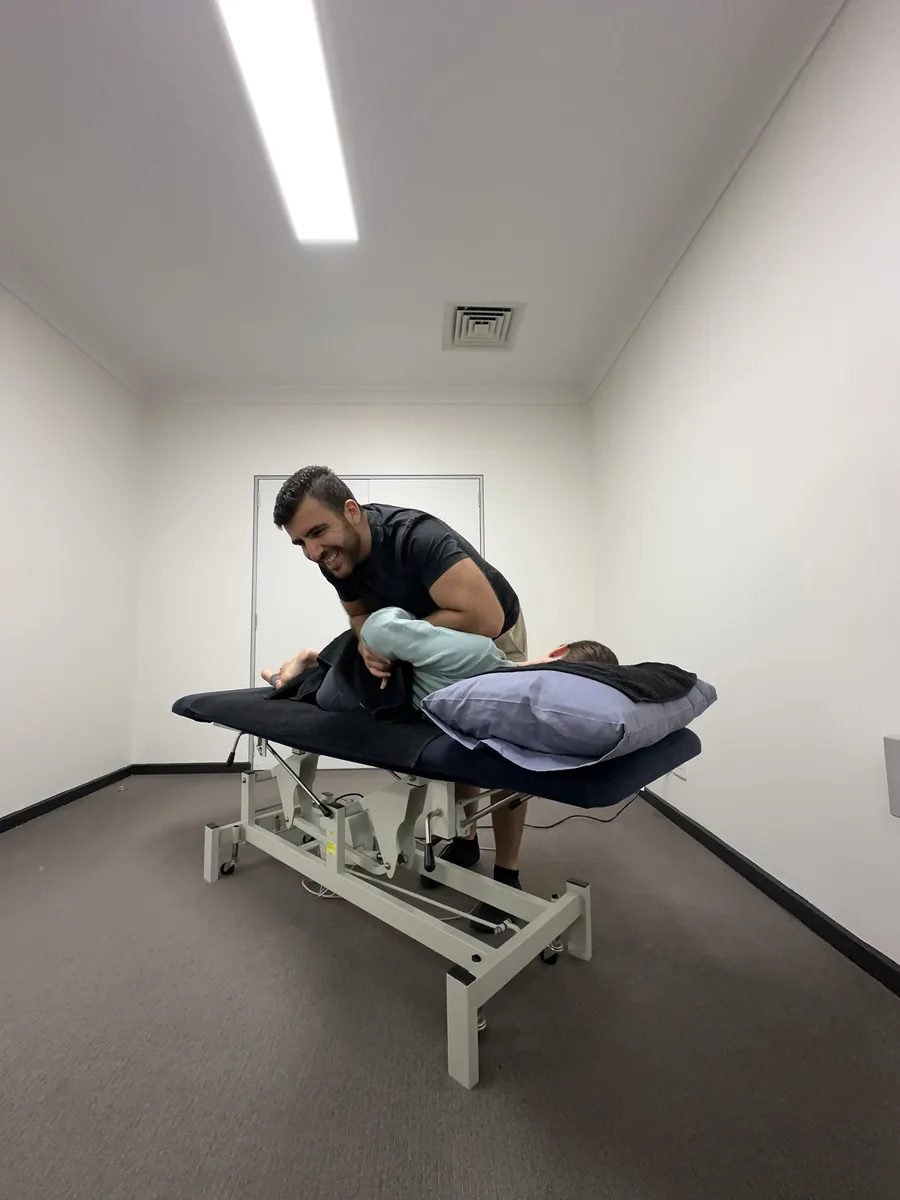
Sciatica, pain travelling from the lower back or buttock down the leg, is usually caused by an irritated nerve root, most often from a disc. Staying active helps, but the right movements depend on what settles your symptoms. Here's a practical guide.
How do I know if an exercise is helping my sciatica?
Watch your leg symptoms, not just your back. An exercise is generally on the right track if leg pain stays the same or eases, or if it moves back up towards your buttock or lower back (sometimes called centralising). If leg pain spreads further down your leg, or pins and needles or numbness increase, stop that movement and try something gentler.
What are the best exercises for sciatica?
There isn't one best exercise; it's about finding your comfortable direction and building up gradually. Common starting points:
Walking: short, frequent walks on flat ground are one of the most useful things you can do. Positional relief: lying on your back with your calves on a chair, or on your stomach propped on your elbows if that eases leg pain. Gentle back movements: pelvic tilts, knee rocks side to side, or gentle press-ups on your stomach if extension helps. Nerve glides: gently straightening and bending your knee while sitting, without pushing into strong pain. Strength: once pain settles, bridges, sit-to-stands, hip and trunk exercises build your back's capacity again.
What exercises should I avoid with sciatica?
While it's flared, avoid anything that sends pain further down your leg. For many people that means holding long hamstring stretches, sitting slumped for long periods, heavy lifting with a rounded back, sit-ups, and high-impact running. These aren't forbidden forever; they can usually be reintroduced once symptoms settle.
What is the fastest way to relieve sciatica?
There's no instant fix, but a few things can take the edge off quickly. Find positions that ease your leg pain, such as lying with your calves supported on a chair or lying on your side with a pillow between your knees. Keep moving with short, gentle walks rather than lying in bed all day. Heat may ease muscle spasm. Talk to your pharmacist or GP about pain relief that's suitable for you, as some medications work better for nerve pain than others, and severe pain may need medical review.
Should I stretch my piriformis or hamstrings for sciatica?
It depends on how your nerve responds. Stretches that pull on the sciatic nerve, such as a long hamstring stretch or a deep figure-four piriformis stretch, often aggravate an irritated nerve, even if they feel like they should help. If a stretch increases leg pain or pins and needles during or after, leave it out for now. Gentle nerve glides, where you move the nerve through a small, comfortable range rather than holding a stretch, are usually better tolerated.
Can I go to the gym with sciatica?
Often yes, with care. Upper-body training, machines, walking on a treadmill, a stationary bike (if sitting is tolerable), bridges and light trunk work are usually fine. Hold off on heavy deadlifts, squats, rowing machines and running until leg symptoms have settled, then reintroduce them gradually. Keep weights lighter than usual, and check your leg symptoms the next morning as your guide.
How long before exercises help sciatica?
Some positions and movements ease symptoms within minutes. Meaningful improvement usually takes a few weeks, and full recovery from disc-related sciatica often takes a few months. That fits what we know about discs: herniated disc material commonly shrinks over time without surgery (Chiu et al., Clinical Rehabilitation, 2015). Consistency matters more than intensity: a few short sessions spread through the day tend to work better than one long one.
What if exercises aren't helping my sciatica?
If you've been consistent for two to three weeks and things aren't improving, or are getting worse, it's worth having an assessment. Your exercises may need adjusting, the source of your symptoms may be different from what you assumed, or you may need a GP review for medication, imaging or a specialist opinion.
Is exercise as good as surgery for sciatica?
For most people, active care is the right first step. A meta-analysis found surgery for disc-related sciatica gave faster relief in the short term, but longer term there was no significant difference in leg or back pain compared with physical activity (Fernandez et al., European Spine Journal, 2016).
When is sciatica serious?
Go to an emergency department straight away if sciatica comes with new difficulty controlling your bladder or bowels, numbness around the groin or inner thighs, or weakness or numbness in both legs, as these can be signs of cauda equina syndrome. See your GP promptly if weakness in your leg or foot is getting worse, for example your foot starts to slap or catch when you walk.
For more, see our posts on how long sciatica lasts and piriformis syndrome, or our sciatica treatment in Berwick page. Book an assessment at our Berwick clinic. A 60-minute initial consultation is $149, with no referral needed and HICAPS on-site.
Sources
Book an initial consultation at RISE Sports & Spinal in Berwick. Clear diagnosis, hands-on treatment, and a plan that actually gets you better.
Related articles