Horse riding injuries: falls, back pain and getting back on
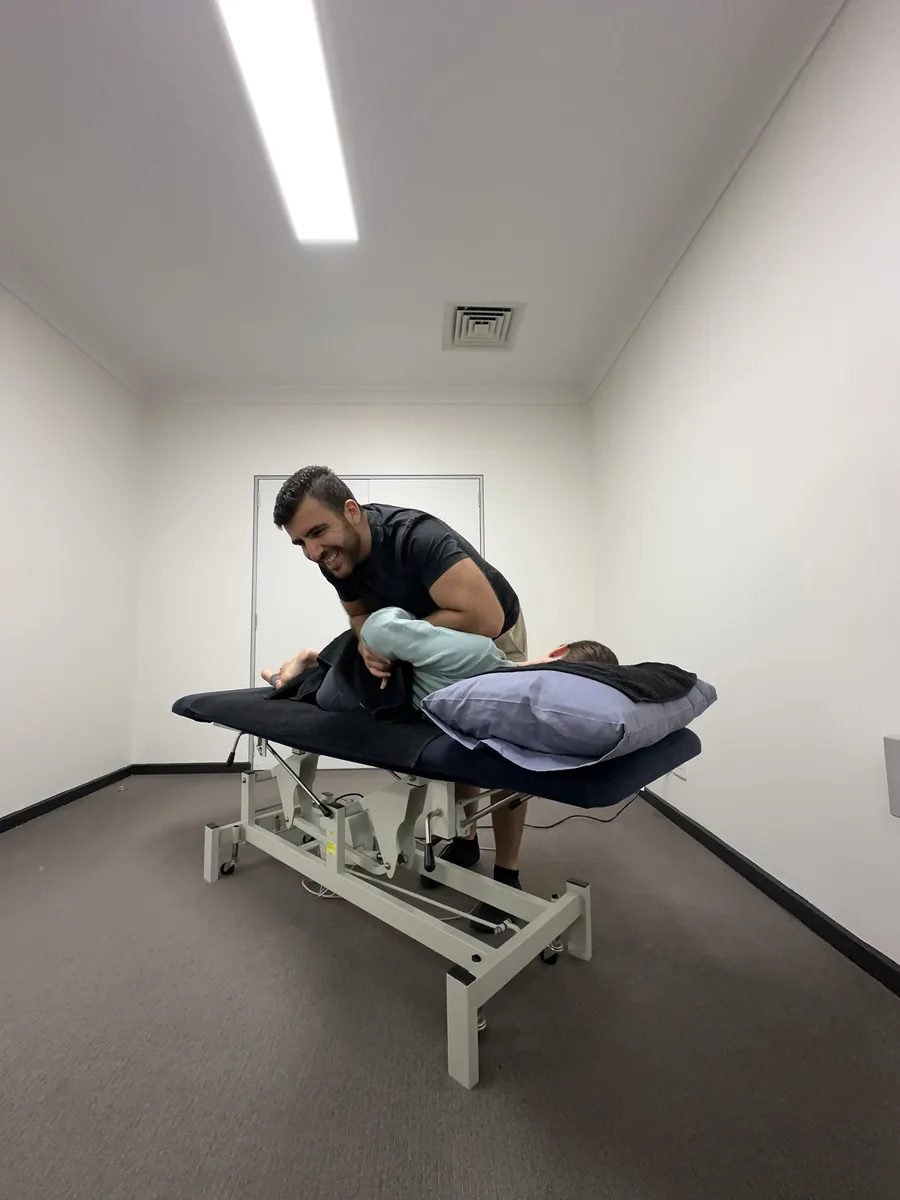
The hills and paddocks around Berwick, Harkaway, Officer and Pakenham are horse country, and we see riders of all ages and disciplines. Riding injuries fall into two groups: the sudden ones from falls and kicks, and the gradual aches that come from hours in the saddle and around the stable.
How common are horse riding injuries?
A study of hospital-treated horse riding injuries in Victoria between 2002 and 2016 found about 31 emergency department presentations and 6.6 hospital admissions per 100,000 people each year, with rates rising over the period. Female riders and those aged 10 to 14 had the highest rates. Fractures and head injuries were the most common injuries (O'Connor et al., BMJ Open Sport & Exercise Medicine, 2018).
What should I do after a fall?
Call 000 for any loss of consciousness, confusion, severe headache, neck or back pain, numbness or weakness, difficulty breathing, or severe abdominal pain, and don't move someone with a suspected neck or back injury. Get checked by a doctor after any significant fall, even if you feel fine, as concussion and some fractures aren't obvious straight away. Replace a helmet that has taken an impact.
What injuries happen in falls?
Wrist, forearm, collarbone and shoulder fractures from landing on an outstretched arm, rib fractures, concussion, and spinal injuries, including compression fractures of the vertebrae. Being kicked, trodden on or crushed on the ground accounts for many injuries too.
See our post on concussion and returning to sport.
Why do riders get lower back pain?
Riding asks the lower back and pelvis to absorb and follow the horse's movement for long periods, and stable work adds lifting, carrying and bending. A systematic review of 14 studies found lower back pain was more common in equestrian athletes than in the general and athletic population, with workload and stable duties among the main risk factors (Duarte et al., Sports, 2024).
What other aches do riders get?
Hip and groin tightness from the riding position, adductor strains, knee pain from a fixed lower leg, neck and shoulder tension from holding the reins, and wrist and hand pain. Mucking out, carrying feed and water, and lifting saddles cause many back, shoulder and elbow complaints.
How can I ride with less back pain?
Build trunk and hip strength off the horse, with exercises such as bridges, squats, side planks and hip mobility work. Check saddle fit for you as well as the horse, and stirrup length. Vary your riding sessions, and break up long days. Use a wheelbarrow, split heavy loads, and keep feed bags close to your body when lifting.
Does my asymmetry affect the horse?
Riders often sit slightly heavier on one side or collapse through one hip, usually without realising. This can come from stiffness, weakness or an old injury. Improving hip mobility and trunk strength, sometimes with feedback from a coach, helps you sit more evenly.
When can I ride again after an injury?
It depends on the injury. After a fracture, your doctor will advise when the bone has healed enough. In general you should have near-full movement and strength, be able to mount and dismount comfortably, and feel confident controlling the horse. Start with short rides on a quiet horse at walk, and build up.
When can I ride after a concussion?
Only after medical clearance and a graded return to activity. A second fall while still recovering carries serious risk.
Does protective equipment help?
A correctly fitted helmet that meets current standards is essential on every ride. Body protectors are designed to reduce chest and rib injuries in falls and kicks. Sturdy boots with a heel reduce the risk of a foot sliding through the stirrup.
Is riding safe in pregnancy?
Pregnancy guidelines advise avoiding activities with a risk of falling, which includes horse riding. Discuss it with your midwife or doctor.
Do children get different injuries?
Children and teenagers had the highest injury rates in the Victorian data. Falls from ponies cause arm fractures and head injuries in particular. A properly fitted helmet, a suitable horse, supervision and lessons in falling and emergency dismounts all reduce risk.
How can an osteopath help riders?
We treat rider's back, hip, neck and shoulder pain, help with recovery after falls once fractures and head injuries have been medically managed, and give you off-horse strength and mobility work to make riding more comfortable.
When should a riding injury be checked?
See a doctor after any fall with a head knock, neck or back pain, rib pain with breathlessness, or a limb you can't use normally. Book in with us for aches that aren't settling after a week or two or that are affecting your riding.
See our training hub and our sports injuries page. Book an assessment at our Berwick clinic. A 60-minute initial consultation is $149, with no referral needed and HICAPS on-site.
Sources
Book an initial consultation at RISE Sports & Spinal in Berwick. Clear diagnosis, hands-on treatment, and a plan that actually gets you better.
Related articles