Deep tissue massage: does it hurt, and why you're sore after
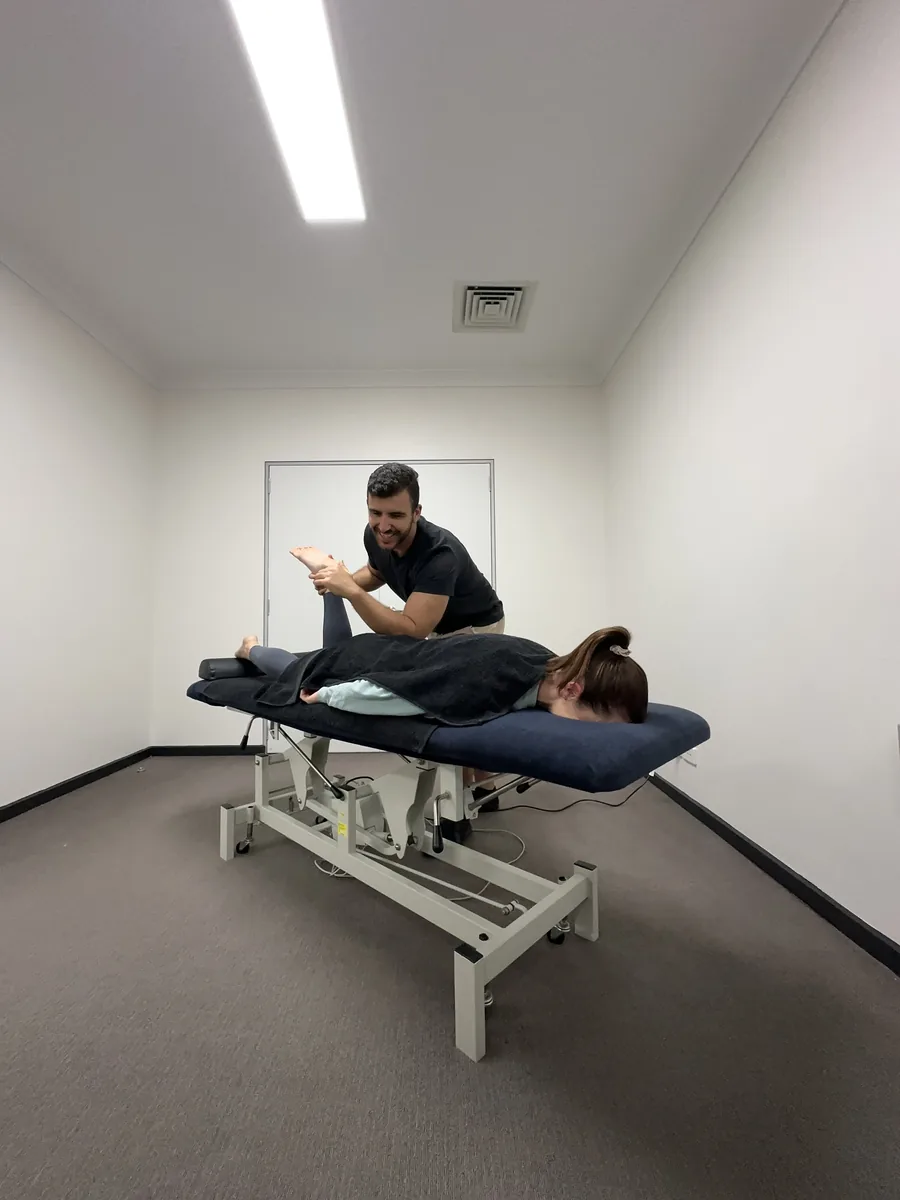
Deep tissue massage is one of the most searched types of massage, and one of the most misunderstood. Here's what it is, what it should feel like, and what to expect afterwards.
What is deep tissue massage?
Deep tissue massage uses slow strokes and sustained, firm pressure to work into the deeper layers of muscle rather than just the surface. It's a style of pressure rather than a separate treatment, so it's often used within a sports or remedial massage, on the areas that need it.
Does deep tissue massage hurt?
It shouldn't hurt in a sharp or bruising way. Expect a strong, achy pressure that eases as the therapist stays on the spot. A useful rule: if you're clenching, holding your breath or pulling away, the pressure is too much. Your muscles tense up to protect themselves, which makes the work less effective. Tell your therapist, and they'll adjust.
Why am I sore after a deep tissue massage?
Some soreness afterwards is common, especially after firm work on an area that's already tight. In a study of 100 massage clients, about 10% reported minor discomfort afterwards; most of it started within 12 hours and lasted 36 hours or less (Cambron et al., 2007). It usually feels like mild post-gym soreness.
More on what is and isn’t normal in sore after a sports massage: is it normal?.
Does deep tissue massage release toxins?
No. This is a common claim, but massage doesn't flush toxins or lactic acid out of your muscles, and there's no need to drink extra water to clear anything. Drink normally, move around, and the soreness will settle.
Is deep tissue massage good for back pain?
It can help in the short term. A Cochrane review of 25 trials found massage gave short-term relief for lower back pain, but the evidence was low quality and the benefits didn't last long-term (Furlan et al., 2015). It works best alongside staying active and strengthening. If your back pain is new, severe or spreading down your leg, get it assessed first. See our low back pain guide.
Is deep tissue massage good for sciatica?
Sometimes, for the muscle tension that comes with it, but it doesn’t treat the nerve. See can massage help sciatica?.
Who should avoid deep tissue massage or check first?
Talk to your GP first if you take blood thinners, have a bleeding disorder, have had recent surgery, or have osteoporosis. Avoid firm work over a fresh injury, bruising, swelling or broken skin. A calf that's swollen, warm and painful needs a doctor, not a massage, as it can be a sign of a blood clot. During pregnancy, let your therapist know so they can adjust your position and pressure.
Deep tissue or lighter pressure?
Choose the pressure you can relax into. Some people prefer firm work and feel better for it; others get the same benefit from moderate pressure with less soreness. There's no evidence that more pain means more benefit.
How often should I have a deep tissue massage?
Most people who train regularly do well with a session every two to four weeks. See how often you should get a sports massage.
Peter Toperosa uses deep tissue and sports massage techniques at our Berwick clinic, with pressure adjusted to suit you. Book a sports massage with Peter Toperosa at our Berwick clinic: 30 minutes, $75, and you can book online.
Sources
Furlan AD, et al. Massage for low-back pain. Cochrane Database of Systematic Reviews, 2015.
Book an initial consultation at RISE Sports & Spinal in Berwick. Clear diagnosis, hands-on treatment, and a plan that actually gets you better.
Related articles