Can you run with a torn meniscus?
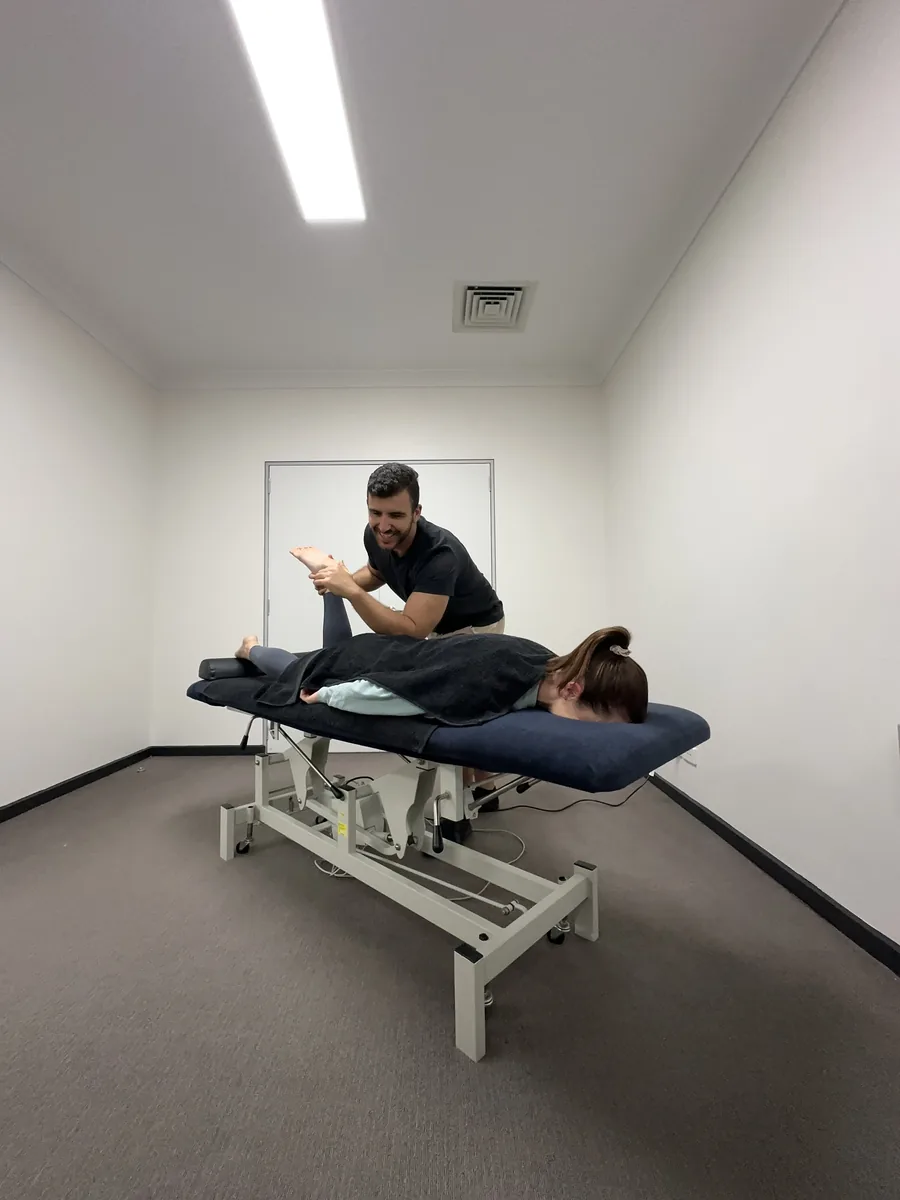
A meniscus tear on an MRI report sounds like the end of running. Often it isn't. Whether you can run depends on the type of tear, how the knee behaves, and how you manage load, more than on the scan itself.
What is the meniscus?
Each knee has two C-shaped pads of cartilage, the medial and lateral menisci, that sit between the thigh and shin bones. They spread load, absorb shock and help stabilise the joint.
How common are meniscus tears?
Very common, and often painless. In an MRI study of people aged 50 to 90 from the general population, meniscal tears were found in 19% of women aged 50 to 59, rising to 56% of men aged 70 to 90, and 61% of those with a tear had no knee pain, aching or stiffness in the previous month (Englund et al., New England Journal of Medicine, 2008). A tear on a scan doesn't automatically explain knee pain.
What types of tear are there?
Broadly two. Traumatic tears happen in younger people with a twisting injury, often in sport, with sudden pain and swelling. Degenerative tears develop gradually from middle age as the meniscus becomes less resilient, often with no specific injury. They behave differently and are managed differently.
Can you run with a torn meniscus?
With a degenerative tear and a knee that isn't locking, giving way or swelling, usually yes, with sensible load management. Many people run comfortably with tears they don't know they have. With a recent traumatic tear, a knee that locks or catches, or significant swelling, stop running and get it assessed first.
Will running make the tear worse?
There's no good evidence that sensible running worsens a stable degenerative tear. Twisting, pivoting and deep squatting under load stress the meniscus more than straight-line running. Let symptoms guide you: pain that stays mild and settles within a day, with no swelling, is acceptable.
Do I need surgery?
For degenerative tears, usually not. In a randomised trial, keyhole surgery to trim a degenerative meniscus tear produced outcomes no better than sham surgery at 12 months (Sihvonen et al., New England Journal of Medicine, 2013). In another trial in middle-aged patients, a supervised exercise program gave results no different from surgery at two years, and better thigh muscle strength in the short term; 19% of the exercise group later had surgery with no additional benefit (Kise et al., BMJ, 2016).
When is surgery considered?
For a knee that's locked and can't be straightened, for some traumatic tears in younger people, particularly tears that can be repaired, and for persistent mechanical symptoms that haven't responded to good rehabilitation. It's a decision to make with a sports physician or orthopaedic surgeon.
How should I return to running?
First settle any swelling and restore full knee movement. Build strength for four to six weeks. Then start with walk-run intervals on flat, even ground every second day, increasing gradually. Add hills, speed and trails last. Back off for a few days if the knee swells or pain builds.
What exercises help?
Quadriceps strengthening such as leg press, sit-to-stands and step-ups, hamstring curls, bridges, hip strengthening and calf raises, progressing to single-leg work and hopping. Early on, avoid deep squats and twisting on a planted foot.
What should I avoid?
Deep squatting and kneeling, sudden pivots, and running on very uneven ground while the knee is irritable. These can usually be reintroduced gradually.
What symptoms mean stop?
The knee locking or getting stuck, giving way, swelling after runs, sharp joint-line pain with twisting, or pain that's worsening week by week.
Does a meniscus tear lead to arthritis?
Meniscus tears and knee osteoarthritis are closely linked, and a degenerative tear is often an early feature of the same process. Having part of the meniscus removed is associated with a higher risk of arthritis later. Keeping the thigh muscles strong and staying active are the best protection.
See our post on whether running damages your knees.
Should I wear a knee brace or sleeve to run?
A simple sleeve can make the knee feel more comfortable and supported, and is fine to use. It doesn't protect the meniscus. Strength and gradual loading do more.
How long before I can run normally again?
With a degenerative tear and a knee that's settling well, many people are back to regular easy running within six to twelve weeks of starting rehabilitation. After meniscus surgery, timelines vary widely with the procedure: a few weeks after a trim, and several months after a repair. Your surgeon will advise.
How can an osteopath help?
We examine the knee to judge how the meniscus and ligaments are behaving, refer you for imaging or a specialist where needed, treat hands-on to ease pain and swelling, and guide your strengthening and return to running.
When should a knee be checked urgently?
See a doctor promptly for a knee that's locked, swelled quickly after a twisting injury, gives way, or can't take your weight.
See our post on meniscus irritation and our knee and ankle pain guide. Book an assessment at our Berwick clinic. A 60-minute initial consultation is $149, with no referral needed and HICAPS on-site.
Sources
Book an initial consultation at RISE Sports & Spinal in Berwick. Clear diagnosis, hands-on treatment, and a plan that actually gets you better.
Related articles