Returning to the gym after time off: how to restart safely
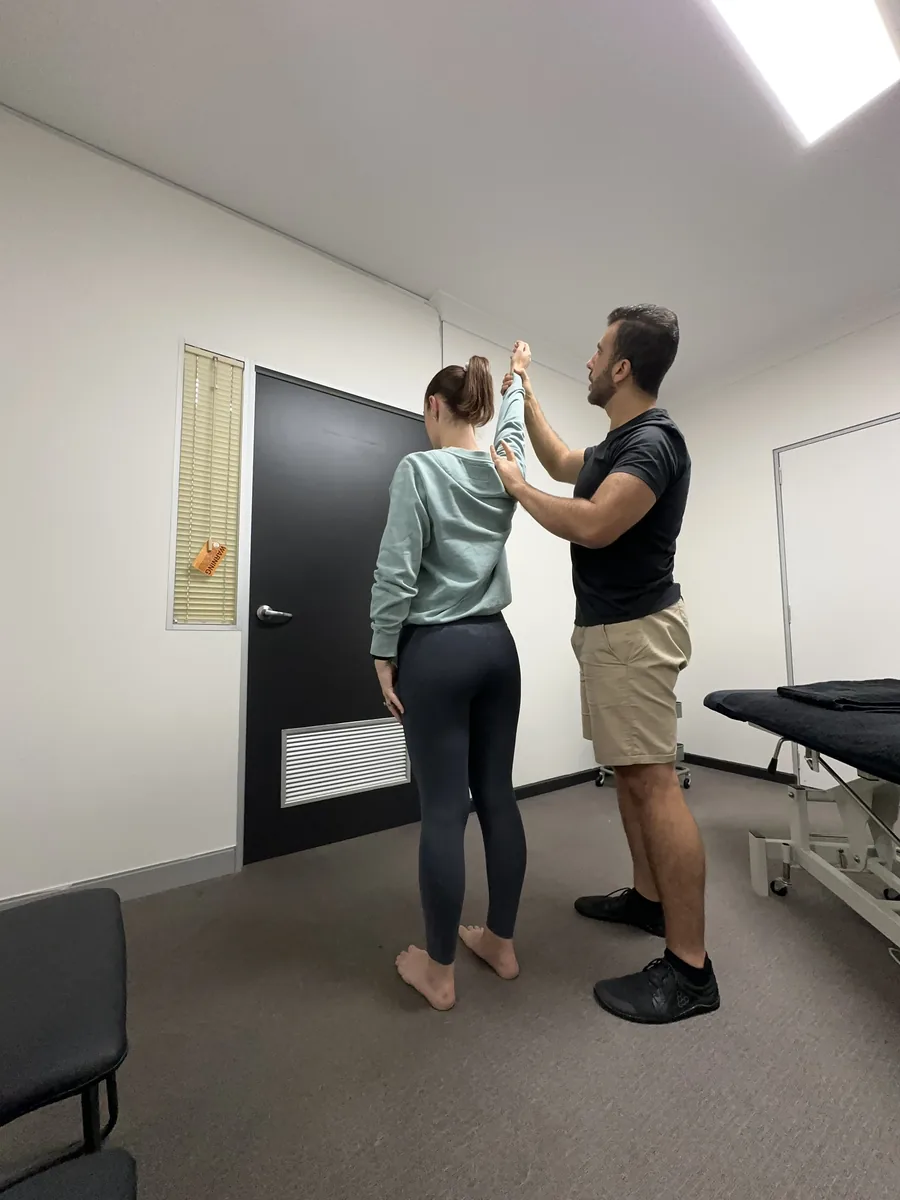
The first few weeks back after a break are when a lot of training injuries happen. Your motivation and your memory of what you used to lift are ahead of what your tissues are ready for. A little patience saves months.
How quickly do you lose fitness and strength?
Faster for fitness than for strength. A review of detraining found that, in well-trained athletes, maximal oxygen uptake and blood volume decline rapidly within the first few weeks of stopping, and endurance performance is impaired, with more moderate changes in recently trained people (Mujika and Padilla, Sports Medicine, 2000). Strength holds up better; a couple of weeks off has little effect, and losses become noticeable after roughly three to four weeks.
Does muscle memory help?
Yes. Strength and muscle return more quickly the second time than they took to build. That's encouraging, but it also catches people out: muscles recover quickly, while tendons, joints and bones take longer to readapt to load.
Why do people get injured when they return?
Because of the gap between what you remember and what you're currently conditioned for. Research on training load shows that sudden increases relative to what you've recently been doing are strongly linked with injury (Gabbett, British Journal of Sports Medicine, 2016). After a break, almost any normal session is a big increase.
Where should I restart?
A useful rule of thumb is to start at around half to two-thirds of your previous weights or volume if you've had a few weeks off, and lower still after several months. The first sessions should feel easy. You're re-establishing the habit and giving your body a signal, not testing where you're at.
What does a four-week return plan look like?
Week one: two or three sessions at about 50% to 60% of your previous loads, with fewer sets. Week two: the same sessions at 65% to 75%. Week three: 80% to 85%, adding sets back in. Week four: 90% or more, if everything has felt good. Longer breaks need a longer build. For running, start with shorter, easier runs every second day and add distance before speed.
How sore should I expect to be?
Some muscle soreness in the first week is normal, even at lighter loads. If you're very sore for several days, you've done too much; repeat the same loads next session before progressing.
How do I return after illness?
Wait until you're free of fever and feeling well in daily life, then start with light activity for a few days before building up. After a chest infection or a significant illness, take longer, and see your GP if you get chest pain, palpitations or unusual breathlessness when you return.
How do I return after an injury?
Follow a graded plan based on what the injured area tolerates, not just the calendar. The rest of your body can usually train normally in the meantime.
See our post on returning to sport after injury.
What about returning after having a baby?
Recovery varies a lot. Start with walking and gentle strength work, and get guidance on pelvic floor and abdominal recovery from your GP or a pelvic health physiotherapist before returning to running or heavy lifting.
Should I change my program when I return?
It's a good chance to simplify. Fewer exercises, done well, with a clear plan to progress, works better than jumping back into a complicated program. Keep hard intervals, plyometrics and maximal lifts for after the first few weeks.
What if I'm returning in my forties, fifties or beyond?
The same principles apply, with a slower build and more recovery between hard sessions. Tendons in particular take longer to readapt.
See our post on strength training over 50.
What are the warning signs to slow down?
Pain in a joint or tendon rather than general muscle soreness, pain that's worse the next morning, swelling, or a niggle that builds over several sessions.
How long until I'm back to where I was?
As a rough guide, allow about half the length of the break to get back to previous levels after a few weeks off, and longer after many months. Strength returns faster than it was first built. Fitness for running and sport takes steady, patient rebuilding.
Should I test my max when I come back?
No. Testing a one-rep max or racing a time trial in the first weeks back is a common way to get hurt. Wait until you've had at least a month of consistent training.
How can an osteopath help?
If an old injury is making you hesitant, or something has flared on your return, we assess it, treat it and help you plan a build-up your body can handle.
See our training hub and our post on returning to sport after a long break. Book an assessment at our Berwick clinic. A 60-minute initial consultation is $149, with no referral needed and HICAPS on-site.
Sources
Book an initial consultation at RISE Sports & Spinal in Berwick. Clear diagnosis, hands-on treatment, and a plan that actually gets you better.
Related articles