Pain between the shoulder blades: common causes and warning signs
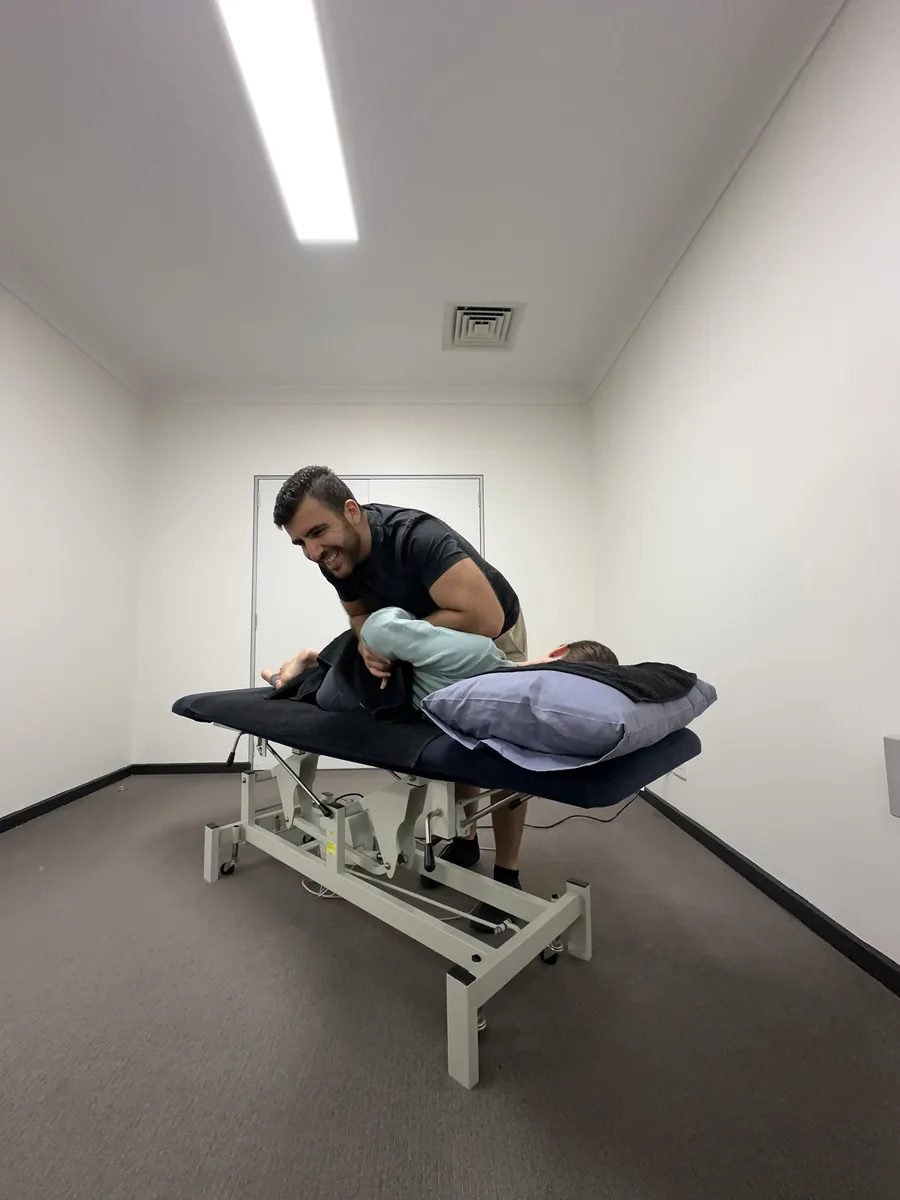
Pain between the shoulder blades is common. A review of the research found thoracic, or mid-back, spine pain is common across children, teenagers and adults (Briggs et al., BMC Musculoskeletal Disorders, 2009). Most of the time it comes from muscles and joints and responds well to treatment, but because this area sits close to the heart, lungs and other organs, it's important to know the warning signs.
When is pain between the shoulder blades an emergency?
Call 000 if pain between your shoulder blades comes with chest pain or pressure, breathlessness, sweating, nausea, or pain spreading into your arm, neck or jaw, as this can be a heart attack. Also call 000 for sudden, severe, tearing pain in your chest or back, sudden breathlessness, or coughing up blood.
See your GP promptly for mid-back pain with fever or feeling unwell, unexplained weight loss, a history of cancer, pain that's constant and unrelated to movement or position, or pain on the right side that's worse after fatty meals, which can come from the gallbladder.
What causes pain between the shoulder blades?
Most mid-back pain comes from the muscles between and around the shoulder blades and the small joints where the ribs meet the spine. Common triggers are long hours at a desk or driving, a sudden twist or reach, sleeping in an awkward position, and training: heavy rows, pull-ups and bench press, and for grapplers, getting stacked or crushed under pressure. A pinched nerve in the neck can also refer pain to the shoulder blade.
Our posts on thoracic spine stiffness, rib joint dysfunction and pinched nerves in the neck cover these in more detail.
Why does it hurt between my shoulder blades when I breathe?
Pain with a deep breath, twisting or sneezing often comes from a rib joint near the spine that's been irritated, which is common and usually settles. But breathing pain with shortness of breath, fever, coughing or feeling unwell needs a doctor, as it can come from the lungs.
What helps pain between the shoulder blades?
For muscle and joint pain, keep moving: gentle rotation and extension movements, breaking up long periods of sitting, and heat if you find it soothing. Hands-on treatment can help settle pain and restore movement in the mid-back and ribs, and strength work for the upper back and shoulders helps prevent it coming back, particularly if your job or training loads this area.
For more, see our upper back pain guide. Book an assessment at our Berwick clinic. A 60-minute initial consultation is $149, with no referral needed and HICAPS on-site.
Sources
Book an initial consultation at RISE Sports & Spinal in Berwick. Clear diagnosis, hands-on treatment, and a plan that actually gets you better.
Related articles