Bruised ribs: symptoms, recovery time and what helps
A blow to the chest from a fall, a tackle, a knee on the mats or a car accident can leave your ribs sore for weeks. 'Bruised ribs' covers a range of injuries to the bone, cartilage and muscles of the chest wall. They're painful, but most heal well with time and the right care.
When is a rib injury an emergency?
Call 000 for difficulty breathing or shortness of breath that's getting worse, chest pain or pressure spreading to the arm, neck or jaw, coughing up blood, or feeling faint. Go to an emergency department after a significant impact, such as a car accident or a fall from height, for pain in the upper abdomen or shoulder tip after a blow to the lower ribs, or if several ribs seem affected. Lower rib injuries can involve the spleen, liver or kidneys.
What are the symptoms of bruised ribs?
Pain and tenderness over the injured area, sharp pain with deep breaths, coughing, sneezing, laughing, twisting and rolling over in bed, and sometimes visible bruising or swelling. Pain is often worse a day or two after the injury than straight away.
How do I tell bruised ribs from broken ribs?
Often you can't, and it frequently doesn't change the treatment. A fracture is more likely if you felt or heard a crack, the pain is very sharp and pinpoint on the bone, or there's a grating feeling. X-rays miss many rib fractures; in one series of rib fractures confirmed by other imaging, a chest X-ray showed the break in only 58% (Hanak et al., Mayo Clinic Proceedings, 2005). The more important question is whether the lungs or other organs are affected, which is why worsening breathlessness needs medical assessment.
How long do bruised ribs take to heal?
Bruised ribs and strained rib muscles typically take three to six weeks. Rib fractures usually take around six weeks, and rib cartilage injuries can take longer, sometimes two to three months. Pain is usually worst in the first one to two weeks.
What helps bruised ribs heal?
Time, pain control and breathing well. Take pain relief as advised by your pharmacist or GP, so you can breathe deeply and cough. Use ice in the first couple of days for comfort, then heat if you prefer. Stay gently active with walking. Avoid heavy lifting, contact and hard twisting until it settles.
Why is deep breathing important?
Rib pain makes you breathe shallowly and avoid coughing, which can lead to a chest infection. Take ten slow, deep breaths every hour while awake, and cough when you need to, supporting the sore area with a pillow or your hand.
Should I strap or bind my ribs?
No. Tight strapping or binders restrict breathing and aren't recommended.
How should I sleep with bruised ribs?
The first few nights are often easier propped up on pillows or in a recliner. Some people are comfortable lying on the injured side, which limits its movement; others prefer the opposite side or their back. Hug a pillow against your chest when turning over.
When can I exercise or return to sport?
Walk from the start. Light exercise that doesn't hurt can resume as pain allows. Return to lifting, running and non-contact training when deep breathing, twisting and bracing are comfortable. Contact sport and grappling should wait until you can take pressure on the area and cough without pain, typically four to six weeks or more.
See our post on rib injuries in BJJ.
Why are rib injuries common in contact and combat sport?
The chest takes direct blows and compression. In jiu-jitsu, the chest and ribs are among the most commonly injured areas (Santos et al., Revista Brasileira de Ortopedia, 2024).
Why does it still hurt weeks later?
Rib injuries are slow because the area moves with every breath. Cartilage injuries in particular can be tender for months. Pain that's getting worse, rather than slowly better, or new breathlessness or fever, should be checked.
Can I work?
Desk work is usually manageable within a few days. Manual work involving lifting, pushing or pulling may need several weeks of lighter duties.
How can an osteopath help?
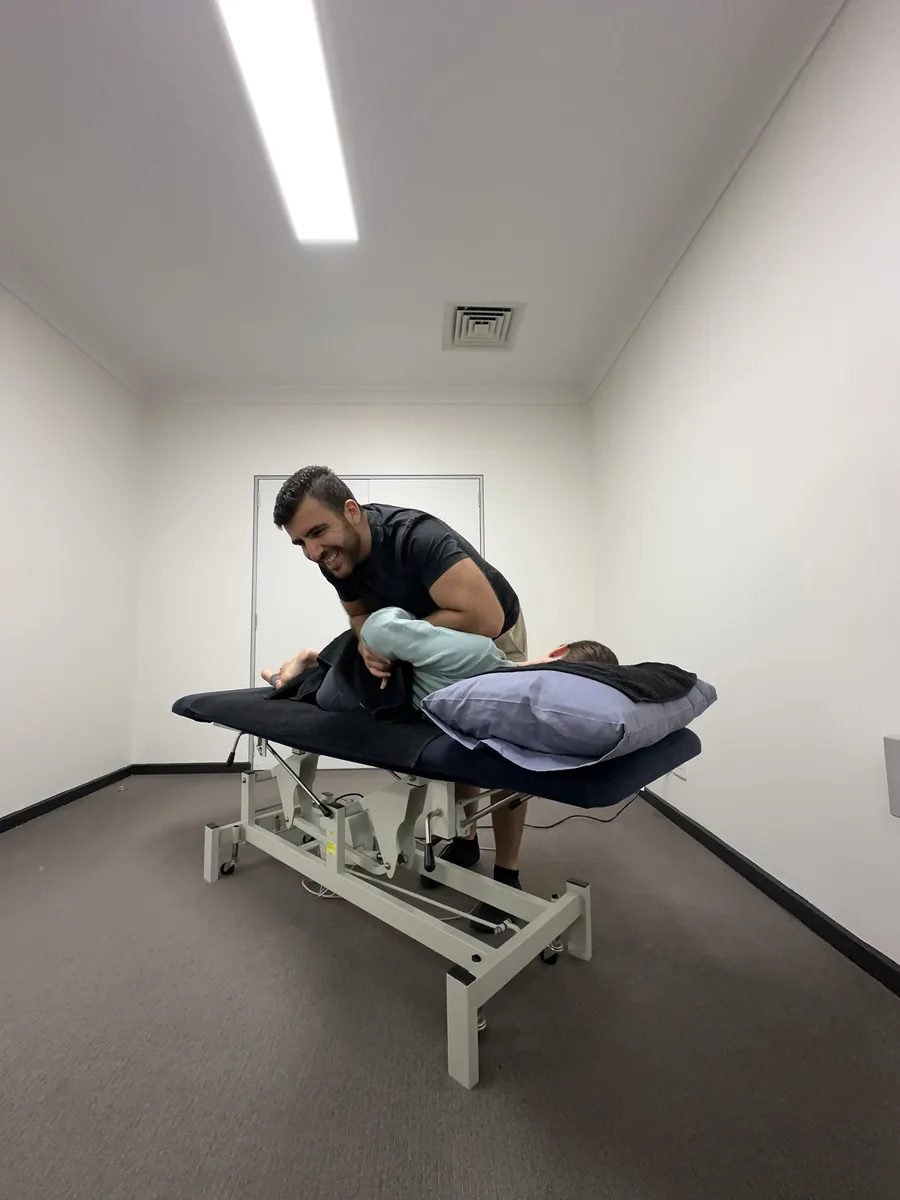
Once serious injury has been ruled out, we can help with the stiffness and muscle guarding that build up around the injured area, using gentle techniques to the mid-back and surrounding muscles and avoiding direct pressure over the injury, plus breathing and mobility exercises and a plan for returning to training.
When should I see a doctor?
See your GP for rib pain that isn't improving after two to three weeks, a fever or productive cough, or pain that is spreading. Older adults and people with lung conditions should be assessed after any significant rib injury.
See our post on rib pain from coughing and our upper back pain guide. Book an assessment at our Berwick clinic. A 60-minute initial consultation is $149, with no referral needed and HICAPS on-site.
Sources
Hanak V, et al. Cough-induced rib fractures. Mayo Clinic Proceedings, 2005.
Book an initial consultation at RISE Sports & Spinal in Berwick. Clear diagnosis, hands-on treatment, and a plan that actually gets you better.
Related articles